

Or call us at for a free consultation!
Bowling Green: (270) 714-9964
Lexington: (859) 762-2664
Winchester: (859) 762-2664
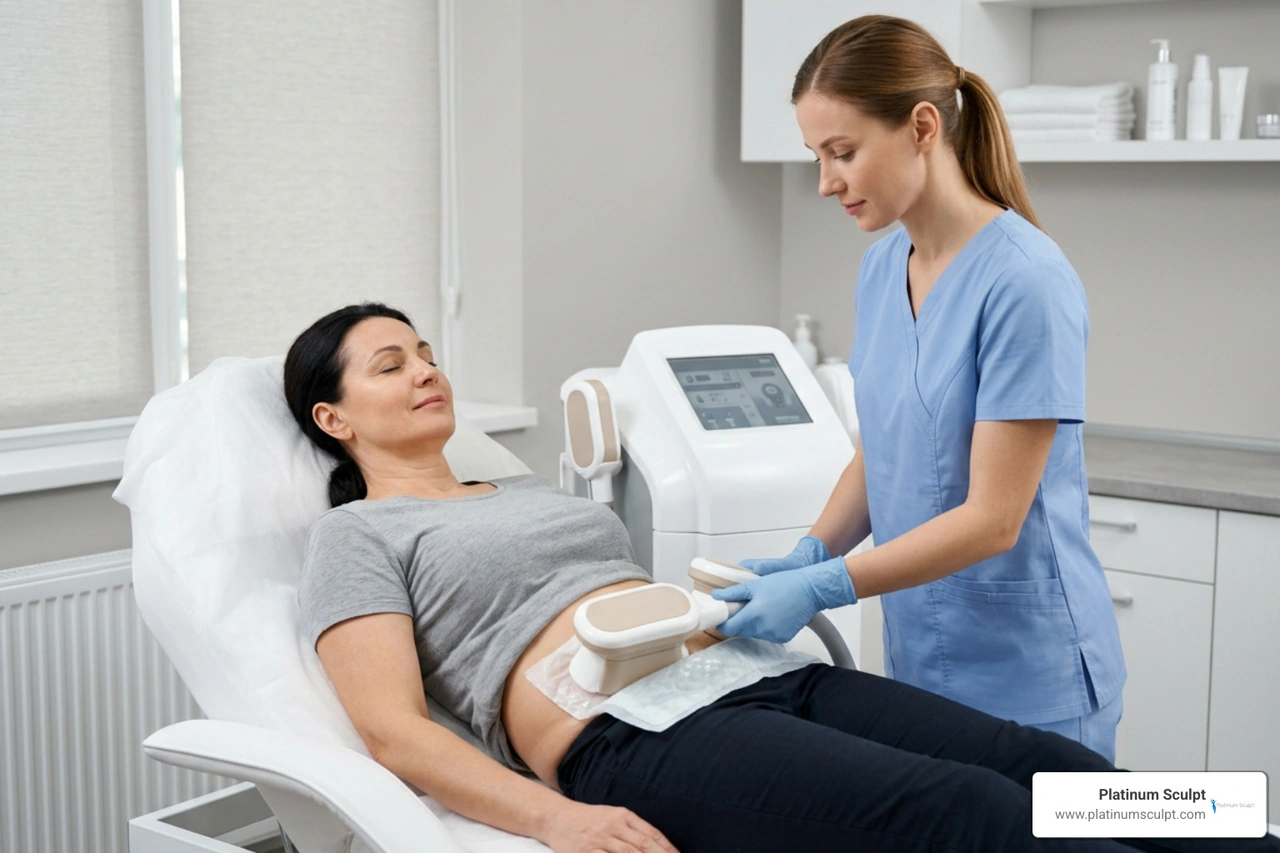
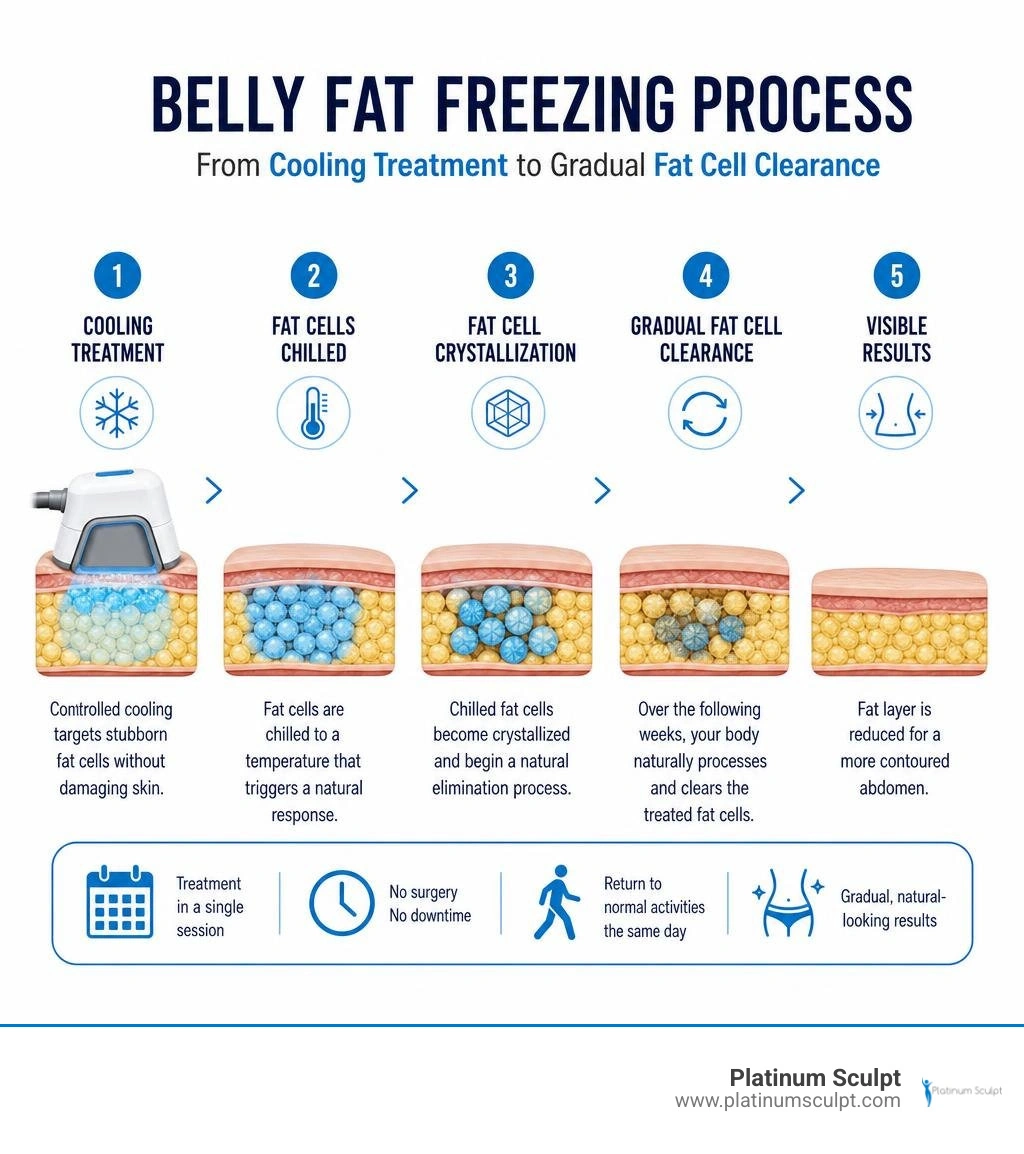
When searching for options to freeze belly fat near me, look for a qualified provider offering FDA-cleared cryolipolysis, often known by the brand name CoolSculpting. This non-surgical treatment uses controlled cooling to target subcutaneous fat, the pinchable layer just beneath the skin. Your body then gradually clears treated fat cells over the following weeks.
Fat freezing can help refine the shape of the abdomen, but it is body contouring, not weight loss. Results vary, and the right plan depends on your goals, the amount and location of fat, and your health history. A consultation is the best way to confirm whether treatment is appropriate for you.
At Platinum Sculpt, patients in Bowling Green and Lexington can discuss non-invasive contouring options in a professional medical spa setting. Many people choose treatment because appointments generally involve no surgery or anesthesia and may allow a return to normal daily activities the same day. Similar cooling methods are also available for other areas, such as CoolSculpting for gynecomastia, helping individuals target localized pockets across the body.
This guide explains how belly fat freezing works, how it compares with other options, what results may look like, and how to evaluate CoolSculpting prices and local providers with confidence.
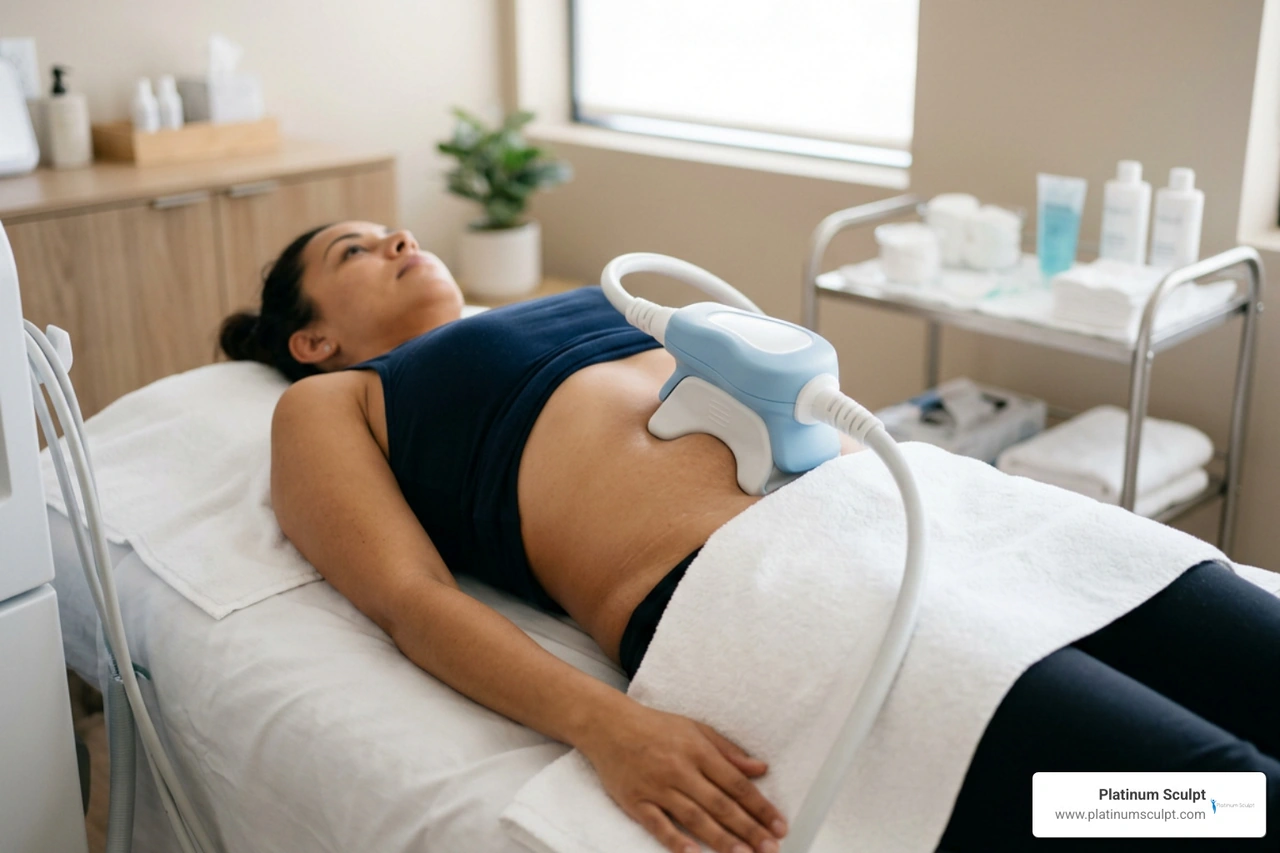
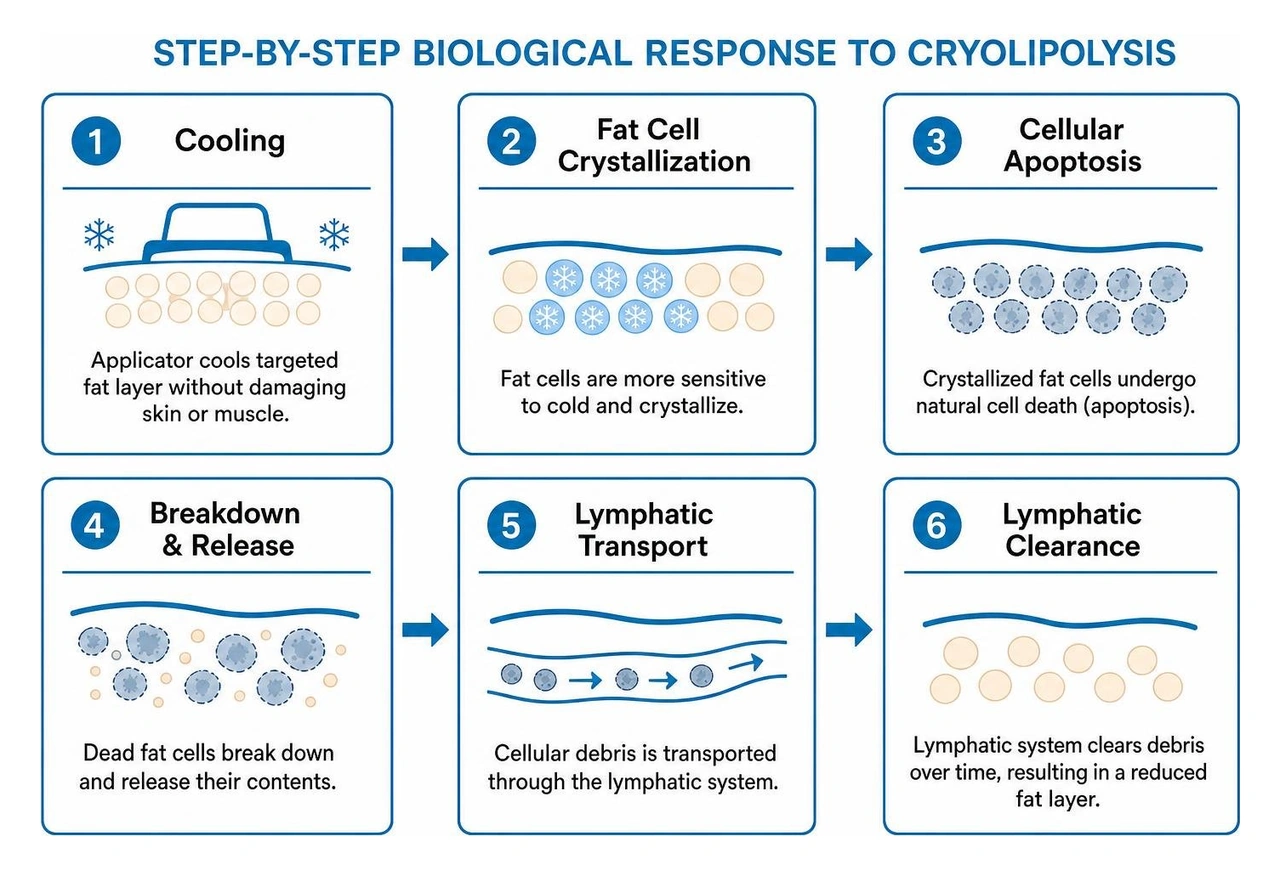
Cryolipolysis is based on a well-documented biological principle: fat cells freeze at higher temperatures than surrounding skin, nerve, and muscle tissues. During a treatment session, a specialized applicator applies controlled cooling to the abdominal area. This drops the local temperature of the subcutaneous tissue just enough to trigger natural cellular breakdown, known clinically as apoptosis, without harming the overlying skin.
Once adipocytes undergo apoptosis, they lose structural integrity. Over the next several weeks, the body's immune system deploys macrophages to break down the remnants. These crystallized fat cell fragments move through the lymphatic system and are metabolized naturally by the liver, much like the fats consumed in regular meals. Clinical studies document an average 20% to 25% fat-layer reduction in the treated zone after a completed treatment series.
Learning the fundamental mechanics of freezing away fat clarifies why the visual transformation takes time. The process relies on biological clearance rather than mechanical extraction.
| Treatment Feature | Cryolipolysis Expectation | Clinical Rationale |
|---|---|---|
| Fat Reduction | 20% to 25% layer reduction per area | Apoptosis breaks down targeted adipocytes |
| Anesthesia Needs | None required | Non-invasive cooling provides mild numbing |
| Downtime | Zero days | Skin and muscle remain undamaged |
| Metabolic Clearance | 6 to 12 weeks | Lymphatic system processes cellular waste |
| Surgical Incisions | None | Applicators sit directly on top of the skin |
Traditional surgical options require general anesthesia, incisions, surgical garments, and extended periods away from daily routines. Non-invasive fat freezing avoids these hurdles entirely. Because there are no incisions or sutures, the risk of infection or significant scar tissue formation is negligible.
Many clients compare non-invasive options when evaluating body contouring alternatives because cryolipolysis fits easily into a busy schedule. You can sit comfortably during an appointment, read or check messages, and head straight back to normal activities once the applicator comes off.
While the lower and upper abdomen remain the most common target zones, cryolipolysis applicators come in varied contours to treat other trouble spots across the body. Stubborn fat often collects symmetrically, making combination treatment plans popular.
Common treatment sites include:
Addressing both the abdomen and adjacent regions can create a more balanced silhouette, especially when targeting stubborn belly and bra fat.
Determining whether you are an ideal candidate requires an understanding of where your body stores fat. Cryolipolysis specifically targets subcutaneous fat, which is the soft, pliable tissue located directly beneath the skin that you can pinch between your fingers. It does not treat visceral fat, which is the firmer layer located deep behind the abdominal muscle wall surrounding internal organs. Visceral fat responds primarily to nutrition changes, aerobic exercise, and medical weight management.
Understanding whether fat freezing works on abdominal fat depends largely on tissue type and personal body composition goals.
Because cellular clearance is a natural physiological process, changes appear gradually rather than overnight:
When planning a multi-session protocol, spacing treatments two to four weeks apart allows the lymphatic system sufficient time to process cellular debris steadily.
It is vital to distinguish between dropping pounds on a scale and sculpting specific contours. When an adult gains weight, individual fat cells expand; when they lose weight, those same fat cells shrink, though the total number of cells remains relatively constant. Cryolipolysis actually reduces the absolute number of adipocytes in the targeted area.
Because fat tissue is lightweight compared to muscle and bone, eliminating a pocket of fat may only shift the scale by a fraction of a pound, yet it visibly alters the circumference and profile of the waistline. Reviewing the core differences between fat reduction and overall weight loss helps establish realistic aesthetic milestones.
Selecting an aesthetic provider requires verifying technical certifications, device authenticity, and clinical safety standards. Non-invasive body contouring requires precise applicator placement, comprehensive tissue assessment, and an understanding of body symmetry.
When researching local options, check independent platforms like verified client reviews and aesthetic practice ratings to evaluate staff consistency, facility cleanliness, and patient support. A reputable practice performs an in-person assessment before booking to confirm you have pinchable subcutaneous fat suitable for cooling cups.
Cryolipolysis systems are FDA-cleared and feature built-in thermal sensors that shut the system down if skin temperatures drop below safe parameters. However, treatment is contraindicated for individuals with specific cold-sensitive conditions, such as:
Common temporary side effects include localized redness (erythema), minor swelling, light bruising, tingling sensations, and temporary skin numbness that typically resolves within several days to a few weeks. Reading about the clinical safety profile of non-invasive cooling procedures will help you prepare for the normal post-treatment healing phase.
Pricing varies based on the size of the treatment area, the number of applicators required to cover the abdomen, and whether you purchase single sessions or packaged series. Standard single-area sessions typically range from $299 to $750 depending on the applicator dimensions, while bundled packages combining multiple cycles or complementary muscle-toning technologies offer greater cost efficiency.
Looking over a detailed guide to body contouring prices provides a clearer view of how custom treatment maps dictate the total investment.
Most individuals benefit from a protocol consisting of 2 to 4 sessions per target area, though stubborn or larger fat pockets may require 4 to 6 sessions for complete contouring. Because each session reduces the existing fat layer by approximately 20% to 25%, successive treatments compound the slimming effect. Your provider will evaluate tissue density during your initial assessment to determine the right cycle count.
Yes. Cryolipolysis involves no surgical downtime, meaning you can return to desk work, physical errands, or light gym routines immediately after leaving the clinic. Maintaining proper daily hydration and engaging in light walking helps support the lymphatic system as it begins processing cellular debris.
Once fat cells are eliminated through apoptosis and processed by the liver, those specific cells do not regenerate. However, the remaining fat cells in untreated and surrounding areas can still expand if you consume a caloric surplus. Understanding the mechanics of long-term fat cell permanence and metabolic clearance highlights the importance of maintaining stable lifestyle habits to preserve your sculpted midsection.
Belly fat freezing offers a scientifically validated, non-surgical path to reducing stubborn subcutaneous fat deposits that resist diet and exercise. By understanding how cryolipolysis works, setting realistic expectations around the 6 to 12 week biological clearance timeline, and partnering with an experienced clinical team, you can achieve a smoother, more contoured abdominal profile.
At Platinum Sculpt, we provide a luxury patient experience tailored to your aesthetic goals across our Kentucky locations. For clients visiting our Bowling Green clinic, CoolSculpting treatments come with our written results guarantee per practice policy. If you are ready to take the next step, schedule a personalized CoolSculpting consultation with our team to map out your body contouring plan.
.svg)


