

Or call us at for a free consultation!
Bowling Green: (270) 714-9964
Lexington: (859) 762-2664
Winchester: (859) 762-2664

The most effective prescription fat loss medicine options are usually incretin-based treatments, such as semaglutide and tirzepatide. They reduce appetite and can support meaningful whole-body weight loss when paired with a reduced-calorie eating plan and regular activity. Other options, including orlistat, work differently by reducing absorption of dietary fat.
The right choice depends on your health history, weight-related conditions, current medicines, preferred dosing method, and tolerance for side effects. A qualified medical provider can help determine whether prescription treatment is appropriate and monitor progress safely.
Modern medications are not spot treatments. They may help with overall weight and metabolic health, but they cannot promise removal of fat from one specific area. Results vary, and treatment works best as part of a medically supervised plan.
At Platinum Sculpt, a luxury med spa with locations in Bowling Green, Lexington, and Winchester, KY, medical weight loss consultations can help adults compare safe options alongside broader wellness and aesthetic goals.
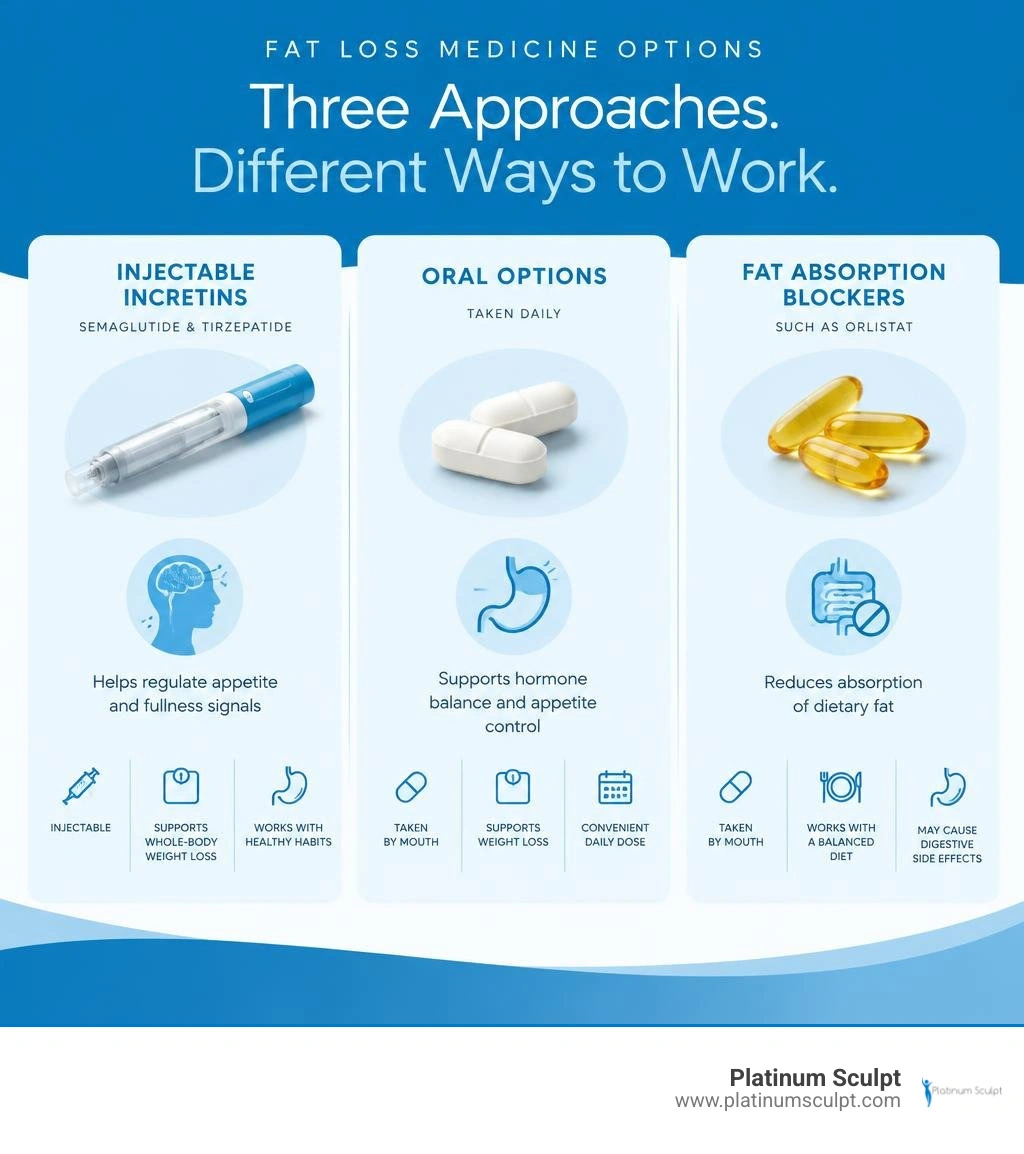
Simple guide to fat loss medicine terms:
Understanding how prescription treatments function begins with the biological systems governing hunger, satiety, and metabolic rate. For decades, traditional weight loss medications focused primarily on central nervous system stimulants. While these older agents offered short-term appetite suppression, they often carried cardiovascular risks and limited long-term sustainability.
Modern metabolic science recognizes obesity as a complex, chronic neurobehavioral and metabolic condition. Central to this understanding is incretin biology. Incretins are gut-derived peptide hormones released after meals that stimulate insulin secretion, inhibit glucagon release, slow gastric emptying, and signal fullness to the brain. By acting directly on receptor sites in the hypothalamus and brainstem, contemporary therapies reset the physiological set point for hunger and satiety.
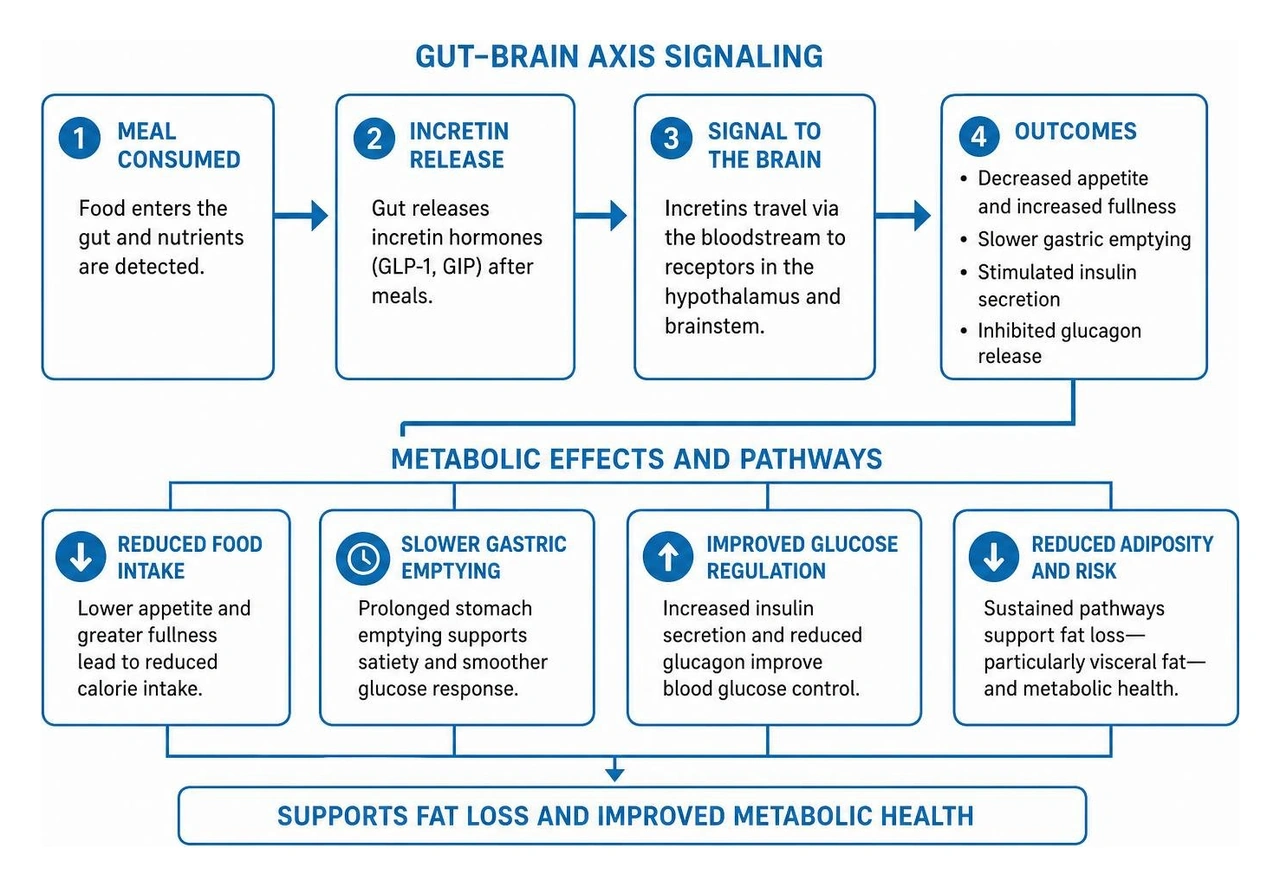
The primary goal of modern pharmacotherapy is systemic adiposity reduction, targeting visceral adipose tissue (fat surrounding internal organs) to improve systemic insulin sensitivity, reduce systemic inflammation, and lower cardiovascular risk factors.
| Drug Class | Key Mechanisms | Administration Route | Typical Clinical Indications | Primary Considerations |
|---|---|---|---|---|
| GLP-1 Receptor Agonists | Slows gastric emptying, enhances hypothalamic satiety signaling, stimulates glucose-dependent insulin | Subcutaneous injection (weekly) or oral tablet (daily) | Chronic weight management (BMI ≥30 or ≥27 with comorbidities) | Nausea, constipation, diarrhea; requires gradual titration |
| Dual GIP / GLP-1 Agonists | Synergistic activation of glucose-dependent insulinotropic polypeptide and GLP-1 receptors | Subcutaneous injection (weekly) | Chronic weight management, type 2 diabetes with elevated BMI | Gastrointestinal symptoms; high percentage of body weight reduction |
| Oral Non-Peptide GLP-1s | Small-molecule activation of GLP-1 receptors without peptide degradation | Daily oral tablet | Investigational for chronic weight management and cardiometabolic health | Flexible dosing without strict fasting windows |
| Lipase Inhibitors | Reversible inhibition of gastric and pancreatic lipases | Oral capsule (with fat-containing meals) | Long-term weight management and maintenance | Oily spotting, flatus, reduced absorption of fat-soluble vitamins |
| MC4R Agonists | Central melanocortin-4 receptor pathway activation | Subcutaneous injection (daily) | Rare genetic deficiencies (POMC, PCSK1, LEPR), acquired hypothalamic obesity | Hyperpigmentation, nausea; specialized genetic or clinical criteria |
Incretin-based injectables represent the benchmark for modern clinical weight management. These medications mirror or enhance natural metabolic signaling to decrease calorie intake without the constant sensation of hunger often associated with standard dietary restriction.
Tirzepatide is a dual-action agent that activates both GIP (glucose-dependent insulinotropic polypeptide) and GLP-1 (glucagon-like peptide-1) receptors. By engaging both hormonal pathways, tirzepatide enhances insulin sensitivity, regulates lipid metabolism, and promotes sustained central satiety. In the landmark SURMOUNT-1 clinical trial, participants taking the highest dose (15 mg weekly) achieved an average body weight reduction of approximately 20.9% (about 52 pounds) over 72 weeks when paired with dietary changes and physical activity, according to the FDA clinical review for tirzepatide.
Semaglutide, a selective GLP-1 receptor agonist, remains an established option in medical weight loss programs. Semaglutide works by mimicking native GLP-1, delaying stomach emptying and dampening food-seeking cues in the brain. In clinical trials, weekly semaglutide administration supported an average weight loss of roughly 15% over 68 weeks. Both medications significantly reduce visceral fat, which directly correlates with reductions in blood pressure, improvements in lipid profiles, and better glycemic control. Patients curious about clinical applications can explore semaglutide treatment protocols to understand how these therapies are structured over time.
While weekly injectables have transformed metabolic care, emerging small-molecule oral therapies provide alternative delivery methods for long-term weight management. Unlike first-generation oral peptide formulations that require precise morning fasting conditions, next-generation non-peptide GLP-1 receptor agonists can be absorbed efficiently regardless of meal timing.
A leading candidate in this class is orforglipron. In the ATTAIN-1 Phase 3 study published in medical literature, orforglipron demonstrated meaningful reductions in body weight, reaching up to a 12.4% average weight loss (27.3 pounds) at the 36 mg daily dose over 72 weeks. Beyond weight reduction, clinical data showed substantial improvements in cardiometabolic markers, including an 8.5% decrease in non-HDL cholesterol, a 21.6% drop in triglycerides, and a 47.7% reduction in high-sensitivity C-reactive protein (hsCRP), an inflammatory marker. Reviewing the ATTAIN-1 clinical trial data reveals that oral non-peptide agents offer comparable efficacy to established injectable therapies, broadening treatment options for patients who prefer daily oral dosing.
Outside incretin pathways, other pharmaceutical classes address metabolic health and energy balance through localized gastrointestinal or specialized neuroendocrine mechanisms.
Orlistat is an FDA-approved non-systemic agent that acts locally within the gastrointestinal tract. As a reversible inhibitor of gastric and pancreatic lipases, orlistat prevents the breakdown of dietary triglycerides into absorbable free fatty acids. At the standard prescription dose of 120 mg taken three times daily with meals, it inhibits the absorption of approximately 30% of ingested dietary fat. Because unabsorbed fat passes through the digestive tract, clinical use requires adherence to a balanced, reduced-fat diet (approximately 30% of total calories from fat) to minimize gastrointestinal effects such as oily stools, fecal urgency, and flatus. Additionally, as detailed in the DailyMed prescribing label for orlistat, patients must take a daily multivitamin containing fat-soluble vitamins (A, D, E, and K) at least two hours before or after taking the medication to prevent nutritional deficiencies.
For rare and complex conditions, targeted therapies like setmelanotide operate via the central melanocortin-4 receptor (MC4R) pathway. Setmelanotide is an injectable peptide approved for chronic weight management in patients with specific rare genetic disorders of obesity (such as POMC, PCSK1, or LEPR deficiency) as well as acquired hypothalamic obesity (often resulting from damage following craniopharyngioma surgery or radiation). By directly stimulating MC4R signaling in the hypothalamus, it restores satiety cues and increases resting energy expenditure in patients whose hunger regulation systems have been physiologically disrupted.
Prescription metabolic therapies require clinical assessment and ongoing medical supervision. Candidates for prescription weight management generally include adults with:
Before initiating therapy, a medical provider reviews cardiovascular history, gastrointestinal function, endocrine health, and current medications.
The most common side effects associated with incretin-based medications (GLP-1 and dual GIP/GLP-1 receptor agonists) involve the gastrointestinal system:
To optimize tolerability, providers utilize a gradual dose-escalation schedule (titrating every four weeks or as clinically indicated). Patients are advised to consume smaller, protein-focused meals, maintain adequate hydration, avoid high-fat or greasy foods, and stop eating at the first sensation of fullness.
Incretin therapies carry specific warnings. They are contraindicated in individuals with a personal or family history of Medullary Thyroid Carcinoma (MTC) or Multiple Endocrine Neoplasia syndrome type 2 (MEN 2), based on thyroid C-cell tumor findings in rodent studies. Additional clinical precautions include:
Medication is only one component of sustainable health. Clinical outcomes improve significantly when pharmacotherapy is integrated into structured medical weight loss programs that emphasize nutrition counseling, resistance training, adequate sleep, and ongoing provider monitoring.
A common point of confusion among patients is the distinction between generalized weight reduction and localized fat reduction. Prescription fat loss medications facilitate systemic lipolysis, meaning fat stores are mobilized across the entire body, including visceral deposits, intramuscular fat, and overall subcutaneous adipose tissue. However, medications cannot target specific areas of stubborn fat, such as the lower abdomen, flanks, inner thighs, or submental region (under the chin).
Genetics, hormonal profiles, and individual anatomy dictate where the body stores and releases subcutaneous fat. Even after achieving significant metabolic weight reduction, localized pockets of diet-resistant fat and skin laxity may remain.
To understand which pathway aligns with your specific aesthetic and health goals, it is helpful to explore the difference between overall weight loss and targeted fat reduction. While medical weight loss addresses whole-body adiposity and metabolic markers, non-invasive body contouring technologies specifically target and eliminate localized subcutaneous fat cells through controlled cooling (cryolipolysis).
Many individuals find value in a combined approach, utilizing prescription therapy to achieve a healthy BMI and visceral fat reduction, followed by targeted body sculpting to refine contours. Exploring the benefits of combining clinical weight loss with CoolSculpting can help clarify how these modalities complement one another.
Initial weight loss often begins within the first two to four weeks of starting therapy, primarily due to immediate appetite reduction and mild fluid shifts. However, substantial and sustained fat reduction typically becomes noticeable as the dosage is gradually titrated upward over 12 to 16 weeks. Clinical guidelines evaluate efficacy at the 12-week mark on a therapeutic dose; achieving at least a 5% reduction in total body weight at this milestone is generally considered a positive clinical response. Because individual metabolism, baseline weight, nutrition, and physical activity vary, overall progress rates differ among patients.
Modern incretin-based medications, such as semaglutide and tirzepatide, are FDA-approved for chronic weight management, recognizing that obesity is a long-term metabolic condition rather than a temporary concern. Clinical trials spanning two or more years have demonstrated ongoing safety and efficacy under continuous medical supervision. When treatment is stopped, appetite signaling often returns to baseline levels, which can lead to weight regain if behavioral and lifestyle habits are not firmly established. Long-term safety relies on regular clinical follow-ups, routine metabolic lab monitoring, and tailored maintenance strategies developed with a healthcare provider.
Prescription medications cause systemic fat loss throughout the body but cannot selectively remove fat from specific troublesome spots, such as love handles, the lower abdomen, or bra rolls. Subcutaneous fat in these areas often contains receptor densities that make it resistant to diet, exercise, and systemic medications alone. Non-invasive body contouring procedures, such as cryolipolysis, are specifically designed to address localized subcutaneous adipose tissue by destroying fat cells in targeted zones without altering overall metabolic weight.
Navigating the modern landscape of prescription weight management requires an individualized, medically sound approach. Whether exploring injectable incretins, emerging oral therapies, or fat absorption inhibitors, sustainable wellness relies on medical oversight, comprehensive nutritional guidance, and realistic treatment milestones.
Platinum Sculpt is a luxury med spa located in Bowling Green, Lexington, and Winchester, KY, specializing in body contouring, injectables, skin tightening and laser resurfacing, facials, hair restoration, and medical weight loss and wellness. Our service offerings are tailored to each clinical location: HydraFacial is offered at Bowling Green only; DiamondGlow is offered at Lexington only; TotalSkin Solution is exclusive to Lexington and Bowling Green. Our Winchester location does not offer HydraFacial, CoolSculpting, CoolTone, or facials, but focuses on injectables, weight loss, laser resurfacing, hair restoration, IV infusions, GeniusRF, and PDGF under-eye treatment.
We believe in supporting your full aesthetic and wellness journey through personalized consultations. Medical treatments can help reduce weight and improve metabolic wellness, though individual results vary; CoolSculpting at our Bowling Green location is guaranteed in writing per practice policy. To discuss your goals and explore our medically supervised wellness and medical weight loss programs, contact us today to book your free consultation.
.svg)


