

Or call us at for a free consultation!
Bowling Green: (270) 714-9964
Lexington: (859) 762-2664
Winchester: (859) 762-2664

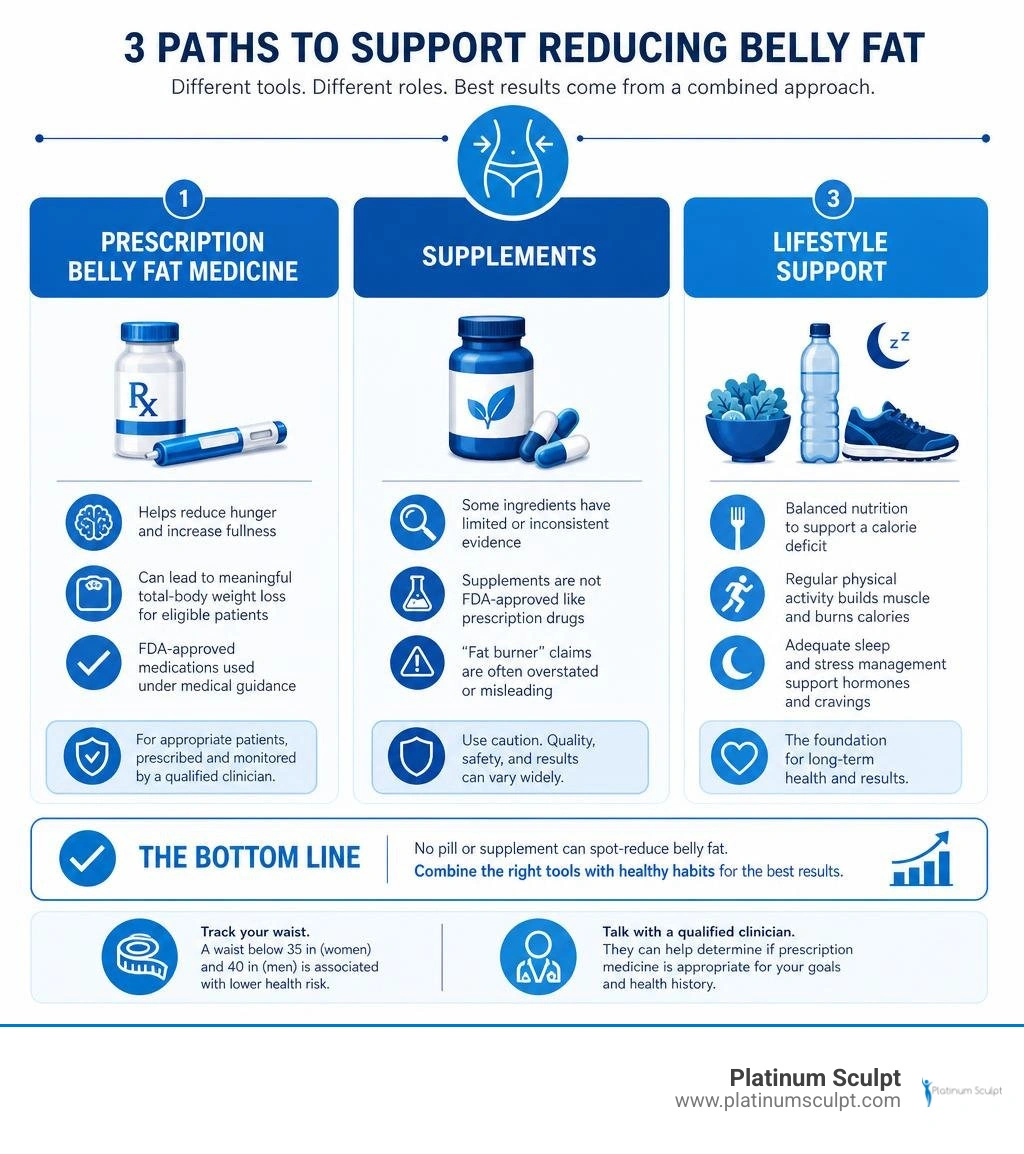
Belly fat medicine can support overall weight loss and reduce waist size, but no pill or supplement can safely spot-reduce fat from the stomach alone. The most evidence-based options are FDA-approved prescription weight-management medications, used with nutrition, activity, sleep, and ongoing medical guidance.
A practical first step is to:
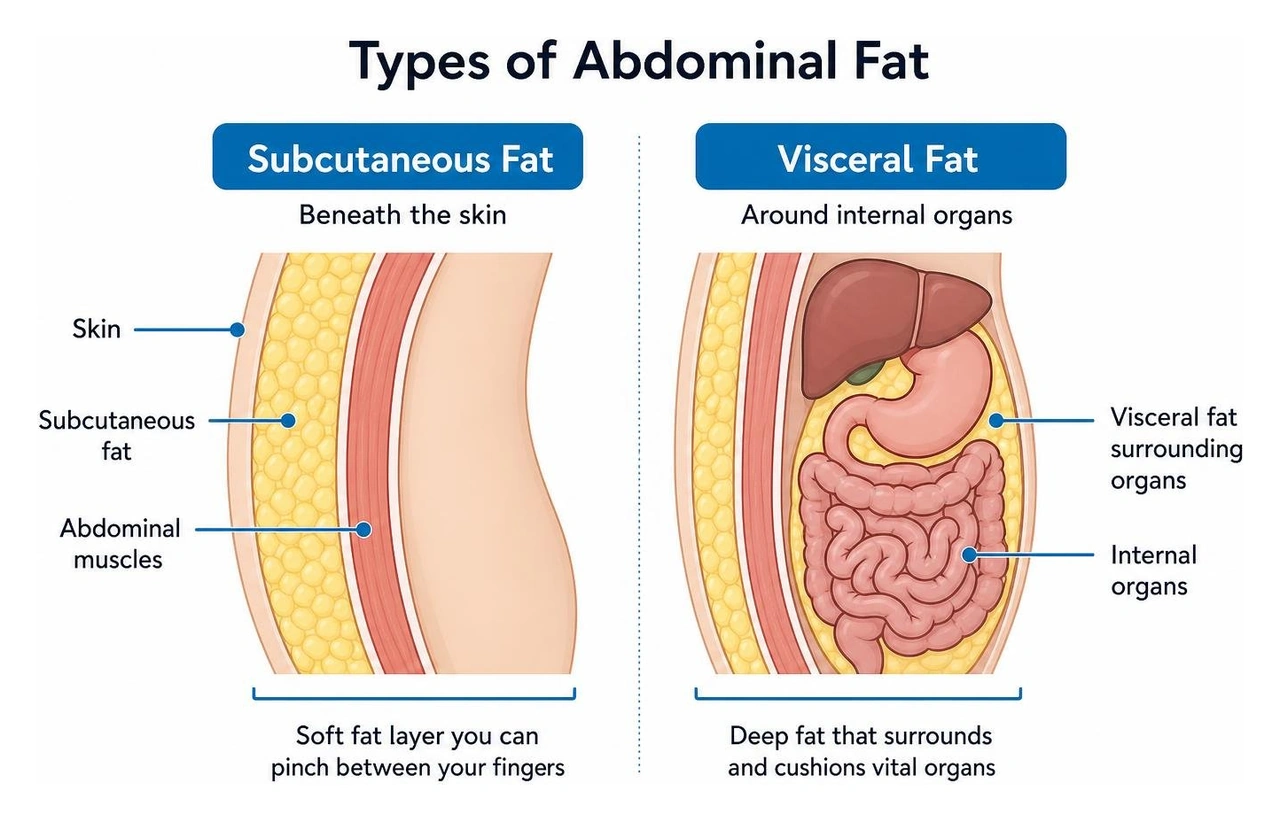
Abdominal fat includes the soft layer under the skin, called subcutaneous fat, and deeper visceral fat around internal organs. Visceral fat is linked with higher risks of heart disease, type 2 diabetes, and other metabolic concerns. As a general guide, a waist measurement below 35 inches for women and below 40 inches for men is associated with lower health risk.
Prescription options can reduce hunger, help you feel full longer, or limit dietary fat absorption. They may lead to meaningful total-body weight loss for eligible patients, while supplements such as CLA have far less consistent evidence for reducing belly fat specifically. Results vary, and medication is not a replacement for healthy habits.
At Platinum Sculpt, medical weight-loss consultations can help you explore appropriate options based on your health history, goals, and preferences.
Abdominal fat is divided into two distinct anatomical types: subcutaneous adipose tissue and visceral adipose tissue. Subcutaneous fat rests directly beneath the skin and above the abdominal wall musculature. This is the soft tissue that can be grasped between your fingers. Visceral fat lies deeper inside the abdominal cavity, padding vital organs such as the liver, pancreas, intestines, and kidneys.
Obesity affects more than 4 in 10 adults in the United States, and nearly 1 in 10 Americans live with severe obesity. When excess energy is stored around the midsection, visceral fat expansion creates unique metabolic risks that differ from general weight distribution across the hips or thighs.
Visceral fat is biologically active tissue that secretes inflammatory cytokines, free fatty acids, and hormones directly into the portal vein system leading to the liver. This direct drainage can trigger hepatic insulin resistance, elevated blood lipid levels, and systemic inflammation.
High amounts of visceral fat are directly associated with an increased risk for cardiovascular disease, type 2 diabetes, systemic hypertension, non-alcoholic fatty liver disease, and obstructive sleep apnea. To lower these chronic health risks, clinical guidelines recommend maintaining a waist circumference below 35 inches for women and below 40 inches for men.
Targeted spot-reduction of belly fat through isolated exercises or single food choices is a biological impossibility. Fat loss occurs systemically when the body enters an energy deficit, requiring stored triglycerides to break down via lipolysis into glycerol and free fatty acids.
When systemic lipolysis begins, visceral fat stores are metabolically sensitive and mobilize quickly in response to caloric reduction, increased activity, and hormonal shifts. Hormones regulating appetite and metabolic rate, including insulin, glucagon-like peptide-1 (GLP-1), and leptin, dictate how energy is partitioned and burned. Understanding how hormonal pathways influence energy storage, as seen when exploring the wonders of semaglutide, explains why modern medical therapies produce whole-body fat reduction rather than localized loss.

Prescription medications for weight management target the biological pathways that regulate appetite, energy balance, and digestion. These medications act on specific receptors in the brain to increase satiety, slow gastrointestinal transit, or prevent the enzymatic breakdown of macronutrients in the digestive tract.
Incretin mimetics represent a significant advancement in metabolic pharmacotherapy. These agents mimic gut hormones naturally released after eating to signal fullness to the hypothalamus, slow gastric emptying, and improve glycemic control.
Beyond incretin-based therapies, several other FDA-approved prescription classes offer distinct mechanisms for long-term or short-term weight management:
| Medication | Primary Mechanism | Administration Route | Typical Weight Loss Range (1 Year) | Common Side Effects |
|---|---|---|---|---|
| Tirzepatide | Dual GIP / GLP-1 receptor agonist | Weekly subcutaneous injection | 15% to 22% | Nausea, diarrhea, constipation, vomiting |
| Oral Semaglutide | GLP-1 receptor agonist | Daily oral tablet | 12% to 17% | Nausea, abdominal discomfort, fatigue |
| Orforglipron | Non-peptide GLP-1 receptor agonist | Daily oral tablet (no food rules) | 11% to 13% | Nausea, constipation, diarrhea, gas |
| Phentermine-Topiramate | CNS stimulant and GABA modulator | Daily oral capsule | 8% to 10% | Paresthesia, dry mouth, insomnia, altered taste |
| Naltrexone-Bupropion | Dopamine/norepinephrine reuptake & opioid antagonist | Daily oral tablets | 5% to 7% | Nausea, headache, constipation, insomnia |
| Orlistat | Gastric and pancreatic lipase inhibitor | Oral capsule 3x daily with meals | 5% | Oily spotting, fecal urgency, fatty stools |
Over-the-counter dietary supplements frequently claim to burn stubborn stomach fat using ingredients such as conjugated linoleic acid (CLA), green tea extract, or carnitine. While products like the UNALTERED Belly Fat Burner hold an average rating of 3.8 out of 5 stars across 7,487 customer reviews, consumer reviews do not replace randomized, placebo-controlled clinical trials.
Supplements are regulated as food products rather than pharmaceuticals. The Food and Drug Administration does not evaluate over-the-counter fat burners for efficacy before they enter the marketplace, nor do manufacturers have to prove specific fat-reduction claims.
Unlike non-regulated supplements, prescription medications undergo rigorous Phase 1 through Phase 3 clinical trials evaluating thousands of patients against placebos. Adults who participate in structured medical weight loss programs combining prescription pharmacotherapy with lifestyle guidance lose an average of 3% to 12% more of their baseline body weight after one year than individuals relying on lifestyle modifications alone.
This clinical weight reduction leads to measurable decreases in visceral fat, lower fasting blood glucose, decreased systemic blood pressure, improved lipid profiles, and reduced markers of cardiovascular disease.
Prescription weight-loss medicines are effective, but they carry potential side effects that necessitate professional medical oversight. Gastrointestinal issues such as nausea, constipation, diarrhea, and acid reflux are common across GLP-1 and dual-agonist therapies, typically resolving with gradual dose titration. Rare risks include pancreatitis, gallbladder disease, and personal or family histories of medullary thyroid carcinoma.
Medications do not permanently alter genetics or metabolic baselines. If medication is stopped without sustained behavioral habits, patients often experience an appetite rebound and weight regain as the body attempts to return to its previous set point.
Long-term success requires combining medical treatments with foundational lifestyle habits. When overall weight decreases, patients often notice that while visceral fat mobilizes from the abdominal cavity, stubborn pockets of subcutaneous tissue remain.
Clinical research demonstrates that specific daily habits directly support the reduction of visceral fat stores:
Prescription medications and dietary changes reduce whole-body fat mass systemically, shrinking fat cells throughout the entire body. However, they cannot choose which specific fat cells shrink first. Many individuals who achieve a healthy BMI still struggle with isolated, pinchable subcutaneous fat pockets on the lower abdomen or flanks.
Non-invasive body contouring treatments like cryolipolysis target these specific subcutaneous fat cells directly. Reading about does CoolSculpting really work on belly fat provides clarity on how cold therapy eliminates localized adipocytes permanently without surgery.
Understanding the distinction outlined in CoolSculpting vs weight loss injections: what each one can and can't do helps patients determine whether their priority is whole-body metabolic weight reduction, localized body contouring, or a sequential combination of both.
Clinical qualification for prescription weight-loss medications follows established medical guidelines:
Most adults taking prescription weight-loss medications can expect to lose approximately 5% of their initial body weight within the first three to six months of therapy. Over a full 12 to 15 months of consistent treatment alongside nutrition and physical activity, average weight loss typically ranges between 3% and 17% of starting body mass, depending on the specific drug prescribed, dosage titration, and individual metabolic factors.
Prescription medications do not permanently alter your underlying metabolic baseline. When therapy is discontinued, gastrointestinal transit speeds up, appetite signals return to pretreatment levels, and the body naturally attempts to return to its previous weight set point. Maintaining fat reduction after stopping medication requires long-term adherence to structured nutrition, consistent strength and aerobic exercise, adequate sleep, and ongoing lifestyle tracking.
Sustained reduction of abdominal fat requires an approach rooted in medical science rather than unverified quick fixes. While lifestyle choices form the foundation of long-term health, prescription weight management therapies provide valuable clinical tools to help regulate appetite, lower visceral adiposity, and improve metabolic markers.
Individual results vary, and no treatment eliminates the need for balanced nutrition, regular movement, and proper sleep. At Platinum Sculpt, we provide medically supervised care tailored to your unique anatomy, health history, and aesthetic goals across our Kentucky med spas in Bowling Green, Lexington, and Winchester. CoolSculpting results are guaranteed in writing exclusively at our Bowling Green location per practice policy.
To explore our comprehensive clinical solutions and find the right path for your health journey, schedule a consultation for our wellness and weight-loss programs online.
.svg)

