

Or call us at for a free consultation!
Bowling Green: (270) 714-9964
Lexington: (859) 762-2664
Winchester: (859) 762-2664
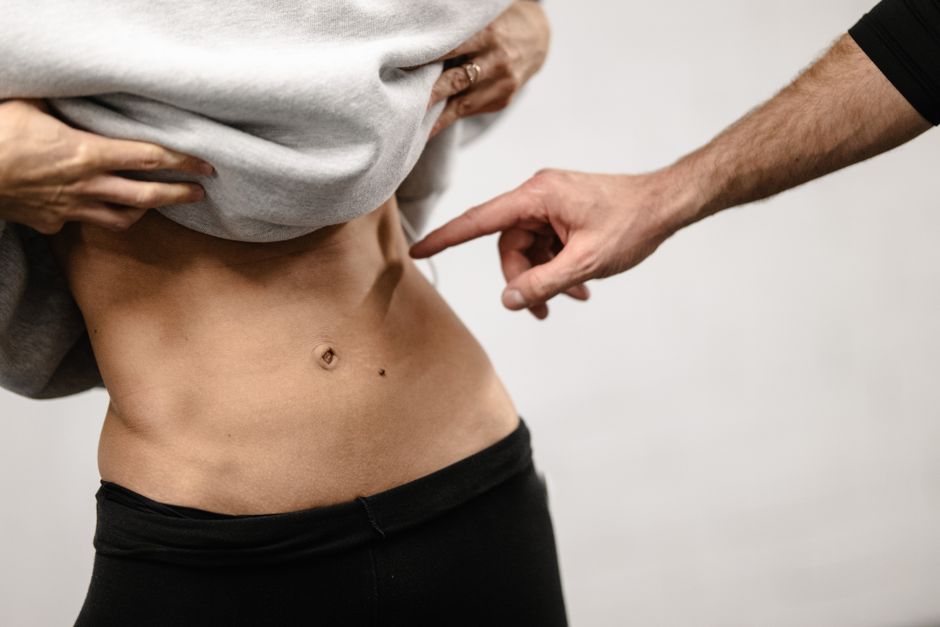
Cryolipolysis relies on the biological principle that subcutaneous fat cells (adipocytes) are more vulnerable to cold temperatures than surrounding water-rich tissues like skin, nerves, and muscle. During a procedure, the cooling applicator brings the targeted tissue down to a precise temperature that triggers crystallization in the lipid content of the adipocytes. For a foundational look at how this process works, our overview in CoolSculpting 101: Freezing Away Fat for a Sculpted Body You'll Love outlines the full journey.
Once crystallized, these fat cells undergo cellular apoptosis, which is a form of programmed cell death. Over the following weeks, the immune system responds with an influx of inflammatory cells, primarily macrophages, which envelope, break down, and metabolize the apoptotic cellular debris through natural phagocytosis.
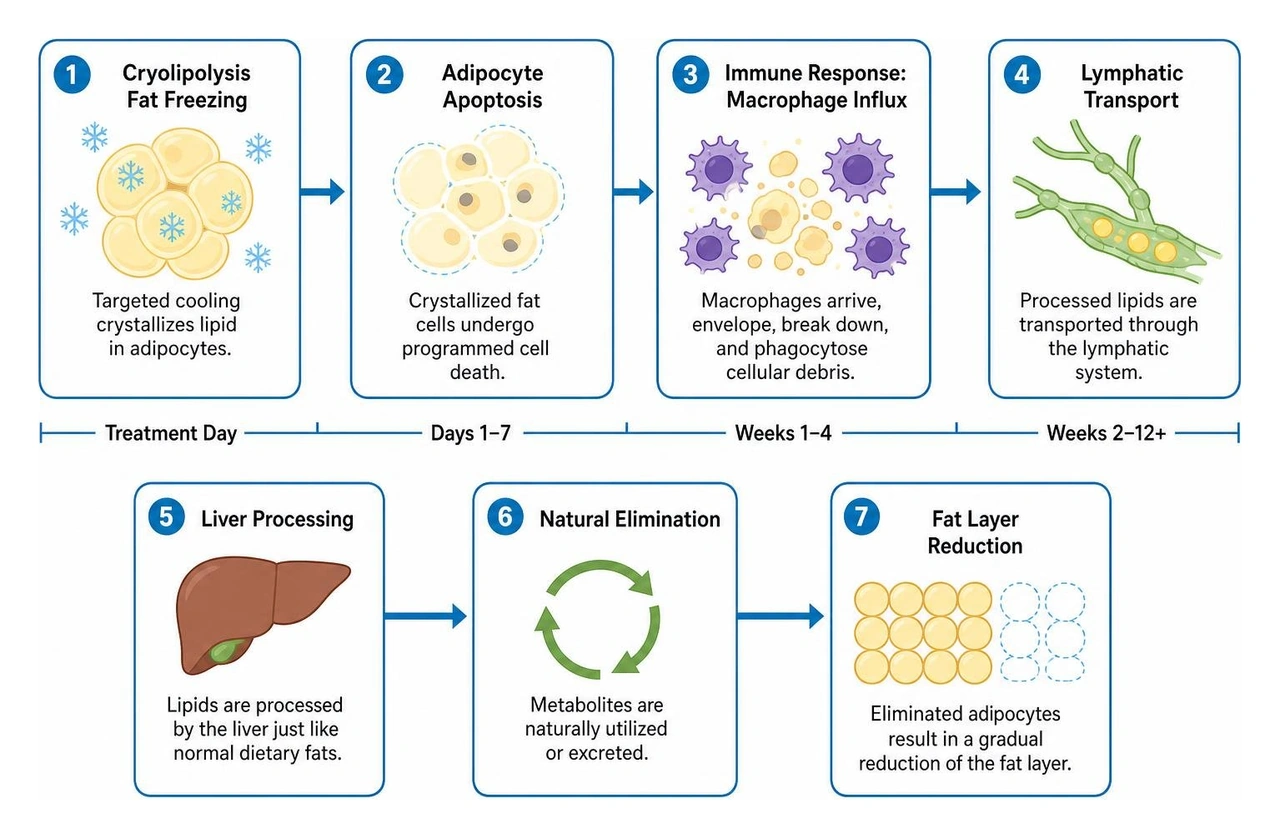
A vigorous two-minute manual massage performed immediately after applicator removal helps fracture crystallized cells, increasing the total fat layer reduction achieved from the cycle. The processed lipids are transported through the lymphatic system and processed by the liver just like normal dietary fats. For a detailed breakdown of cell processing, explore Where does the fat go? Are the results permanent? to learn how the body clears these cells permanently.
The FDA has cleared cryolipolysis for multiple distinct anatomical zones where stubborn, localized subcutaneous fat tends to collect:
Navigating non-surgical body sculpting involves understanding the difference between reducing fat, tightening loose skin, and building muscle tone.
| Treatment Modality | Primary Mechanism | Target Tissue | Primary Clinical Goal | Average Downtime |
|---|---|---|---|---|
| Cryolipolysis (CoolSculpting) | Controlled Cold (Apoptosis) | Subcutaneous Adipocytes | Localized Fat Layer Reduction | Zero to minimal |
| Radiofrequency (RF) | Thermal Heat Energy | Dermis and Subdermal Collagen | Skin Tightening and Collagen Remodeling | None |
| High-Intensity Ultrasound (HIFU) | Thermal Coagulation Points | Deep Dermis / SMAS Layer | Tissue Lifting and Tightening | None |
| Pulsed Magnetic Fields (CoolTone) | Magnetic Muscle Stimulation | Skeletal Muscle Fibers | Muscle Strengthening and Definition | None |
When evaluating your options, reviewing comprehensive body contouring treatment options helps clarify which technology addresses your specific structural needs.
Clinical studies have established cryolipolysis as an effective, non-invasive method for local fat reduction. Standard caliper measurements, ultrasound assessments, and 3D volumetric imaging demonstrate an average subcutaneous fat layer thickness reduction of 20% to 25% in the treated zone after a single session.
In a multicenter study evaluating 518 patients, 86% of participants demonstrated measurable clinical improvement, 73% expressed satisfaction with their aesthetic changes, and 82% stated they would recommend the treatment to a friend.
Long-term stability studies demonstrate that destroyed fat cells do not regenerate. Photographic follow-up studies extending up to five years post-treatment confirm that fat reductions remain durable even through routine body weight fluctuations. For additional context on longevity, see How Long Does Body Contouring Last? to review how lifestyle affects results. Furthermore, clinical efficacy research on cryolipolysis shows that the natural clearance of lipid debris does not cause spikes in blood triglycerides, cholesterol levels, or liver enzymes.
The metabolic elimination of frozen fat cells follows a clear biological progression:
Patients with larger bulges often select multi-cycle treatment plans spaced at least 8 weeks apart to achieve compounded fat layer reduction. A thorough overview of treatment pathways is available in Achieving Your Best Body: Understanding CoolSculpting Treatment and Its Benefits.
Cryolipolysis has a documented safety record supported by extensive global data. Across more than 850,000 documented commercial cycles, only about 850 adverse events have been reported, representing an overall complication rate of approximately 0.1%. Patients exploring safety questions can review Is the CoolSculpting procedure safe? for an in-depth regulatory summary.
Common, expected side effects are mild and resolve on their own within days to a few weeks:
A comprehensive breakdown of all temporary responses is detailed in What are the possible side effects of CoolSculpting?.
Paradoxical Adipose Hyperplasia (PAH) is a rare adverse event unique to cryolipolysis. It occurs when the treated fat tissue gradually expands rather than shrinks, developing into a firm, painless, well-demarcated mass that often resembles the shape of the cooling applicator.
PAH is estimated to occur in roughly 0.1% of cases (about 1 in 1,000 treatments) and typically becomes noticeable 2 to 5 months post-procedure. It does not resolve on its own and does not respond to additional cooling cycles. Correcting PAH requires surgical intervention, such as corrective liposuction or surgical excision, usually performed several months after the tissue has softened. Thorough candidacy screening by a trained provider ensures treatment is delivered correctly.
CoolSculpting is tailored for individuals near their ideal body weight who maintain active lifestyle habits but struggle with distinct, diet-resistant fat bulges. The tissue must be soft and pinchable enough to be drawn securely into the vacuum applicator cup.
Certain medical conditions represent absolute contraindications for cryolipolysis:
If you are evaluating whether non-invasive fat freezing or a structured metabolic approach is best suited for your goals, reviewing How do I know whether I need CoolSculpting, medical weight loss, or both? will help you assess your current starting point.
Before attending your initial body contouring evaluation, consider discussing these essential topics with your provider:
Most patients see visible reductions after a single session per area, which may reduce fat layer thickness by 20% to 25%. However, achieving personal aesthetic goals often involves a customized plan of 2 or more cycles spaced 8 weeks apart. For more details on scheduling cycles, visit CoolSculpting FAQs.
Yes, adipocytes destroyed through apoptosis are cleared by the lymphatic system and do not grow back. However, remaining fat cells in untreated and adjacent areas can still expand with significant weight gain, making consistent nutrition and physical activity essential for maintaining long-term contours.
While CoolSculpting freezes and destroys subcutaneous fat, muscle stimulation devices like CoolTone use magnetic energy to induce rapid muscle contractions that strengthen, firm, and tone muscle fibers in the abdomen, glutes, or thighs. For a direct comparison of how these complementary modalities function together, explore CoolSculpting vs CoolTone: Fat Reduction, Muscle Toning, and What Each One Actually Does.
CoolSculpting body contouring offers an evidence-based, non-surgical path to reducing persistent, localized fat deposits with zero downtime and lasting durability. When delivered by experienced clinicians who tailor each cycle to your unique anatomy, cryolipolysis can help reshape treatment areas like the abdomen, flanks, chin, and thighs safely and effectively.
Platinum Sculpt provides luxury med spa consultations across our Kentucky locations. For patients interested in comprehensive metabolic programs alongside aesthetic treatments, we also offer wellness and medical weight loss consultations. CoolSculpting procedures performed at our Bowling Green location include our written results guarantee policy, while treatment plans across our centers focus on personal care and realistic outcomes. Please note that our Winchester practice focuses on injectables, medical weight loss, laser resurfacing, hair restoration, IV infusions, GeniusRF, and PDGF treatments rather than body contouring.
To speak with a qualified provider about your body contouring goals, schedule your consultation today.
.svg)

