

Or call us at for a free consultation!
Bowling Green: (270) 714-9964
Lexington: (859) 762-2664
Winchester: (859) 762-2664
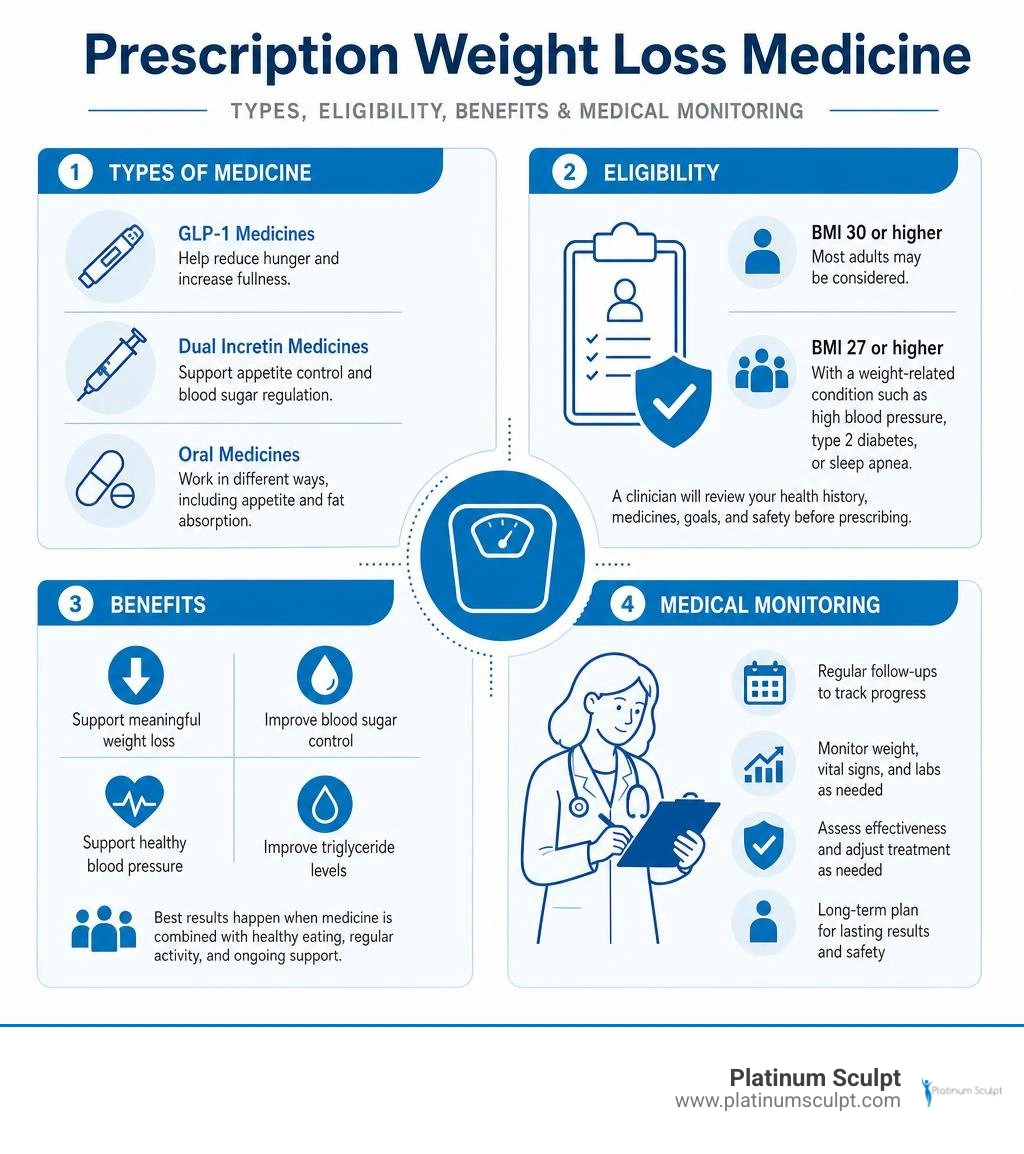
Prescription weight-loss medicine can help adults manage obesity or overweight when it is paired with a reduced-calorie eating plan, regular activity, and medical follow-up. Common long-term options include GLP-1 medicines such as semaglutide, dual incretin medicines such as tirzepatide, and oral medicines such as phentermine-topiramate, naltrexone-bupropion, and orlistat.
Most adults may be considered for treatment with a BMI of 30 or higher, or a BMI of 27 or higher with a weight-related condition such as high blood pressure, type 2 diabetes, or sleep apnea. A licensed clinician should review your health history, current medicines, goals, and safety concerns before prescribing anything.
These medicines work in different ways. Some reduce hunger and help you feel full longer. Others affect appetite and food-reward signals in the brain, or reduce the amount of dietary fat your body absorbs. Results vary, but studies show that medication used with lifestyle support can lead to meaningful weight loss and improvements in blood sugar, blood pressure, and triglycerides.
Obesity affects more than 4 in 10 U.S. adults, and it is widely recognized as a chronic health condition. That means treatment often requires a long-term plan, not a short-term fix. This guide explains what works now, who may qualify, important safety limits, expected costs, and what may be coming next.
For personalized guidance, book a consultation with Platinum Sculpt's medical weight loss team in Bowling Green, Lexington, or Winchester.
Loss weight medicine glossary:
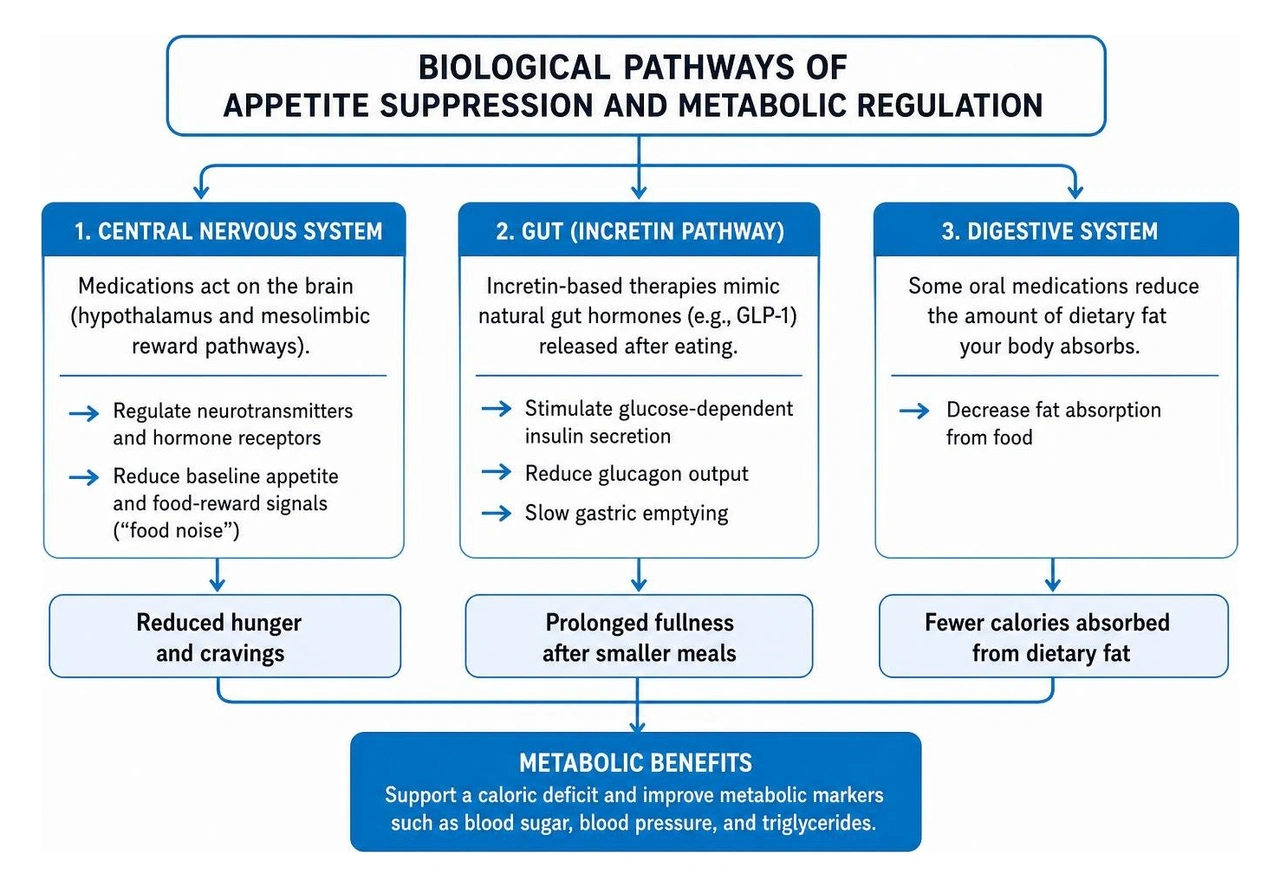
Prescription pharmacotherapy treats obesity by altering biological signals that dictate hunger, fullness, digestion, and metabolic balance. In the central nervous system, modern medications target the hypothalamus and mesolimbic reward pathways. By regulating neurotransmitters and hormone receptors, these therapies reduce baseline appetite and diminish intrusive cravings, commonly referred to as "food noise."
Incretin-based therapies, including glucagon-like peptide-1 (GLP-1) receptor agonists, mimic natural gut hormones released after eating. Exploring the wonders of semaglutide highlights how these agents stimulate glucose-dependent insulin secretion, reduce glucagon output, and slow gastric emptying. This delayed stomach emptying prolongs feelings of fullness after smaller meals, helping individuals naturally maintain a caloric deficit without experiencing severe hunger pangs.
Healthcare providers determine eligibility for prescription therapy using standardized body mass index (BMI) thresholds and comprehensive health evaluations. Federal guidelines define candidate eligibility based on two primary categories:
Qualifying comorbidities include hypertension, dyslipidemia, type 2 diabetes mellitus, obstructive sleep apnea, and non-alcoholic fatty liver disease. Before starting medical weight loss, providers conduct diagnostic evaluations to review baseline organ function, medication history, and personal health goals.
| Medication (Brand Names) | Drug Class / Mechanism | Administration Route | Typical Clinical Weight Loss | Key Considerations |
|---|---|---|---|---|
| Semaglutide (Wegovy) | GLP-1 Receptor Agonist | Subcutaneous Injection / Oral | ~15% to 17% | Boxed warning for thyroid C-cell tumors; requires gradual dose escalation. |
| Tirzepatide (Zepbound) | Dual GIP/GLP-1 Receptor Agonist | Subcutaneous Injection | ~18% to 22% | Dual-pathway incretin action; monitor for gastrointestinal side effects. |
| Liraglutide (Saxenda) | GLP-1 Receptor Agonist | Daily Subcutaneous Injection | ~5% to 8% | Daily dosing schedule; precursor to weekly incretin therapies. |
| Bupropion-Naltrexone (Contrave) | Aminoketone / Opioid Antagonist | Oral Tablet | ~5% to 6% | Consult DailyMed on CONTRAVE extended-release regarding seizure and blood pressure risks. |
| Phentermine-Topiramate (Qsymia) | Sympathomimetic / Neurostabilizer | Oral Capsule | ~8% to 10% | Controlled substance component; contraindicated during pregnancy. |
| Orlistat (Xenical, Alli) | Gastrointestinal Lipase Inhibitor | Oral Capsule | ~5% | Check DailyMed details on XENICAL capsules; blocks 30% of fat absorption. |
GLP-1 receptor agonists and dual incretin therapies represent the primary class of modern obesity pharmacotherapy. Liraglutide was among the early daily options, but weekly formulations like semaglutide and tirzepatide have largely taken precedence due to improved convenience and clinical efficacy. Tirzepatide incorporates glucose-dependent insulinotropic polypeptide (GIP) receptor agonism alongside GLP-1 agonism, targeting complementary metabolic pathways in adipose tissue and the brain.
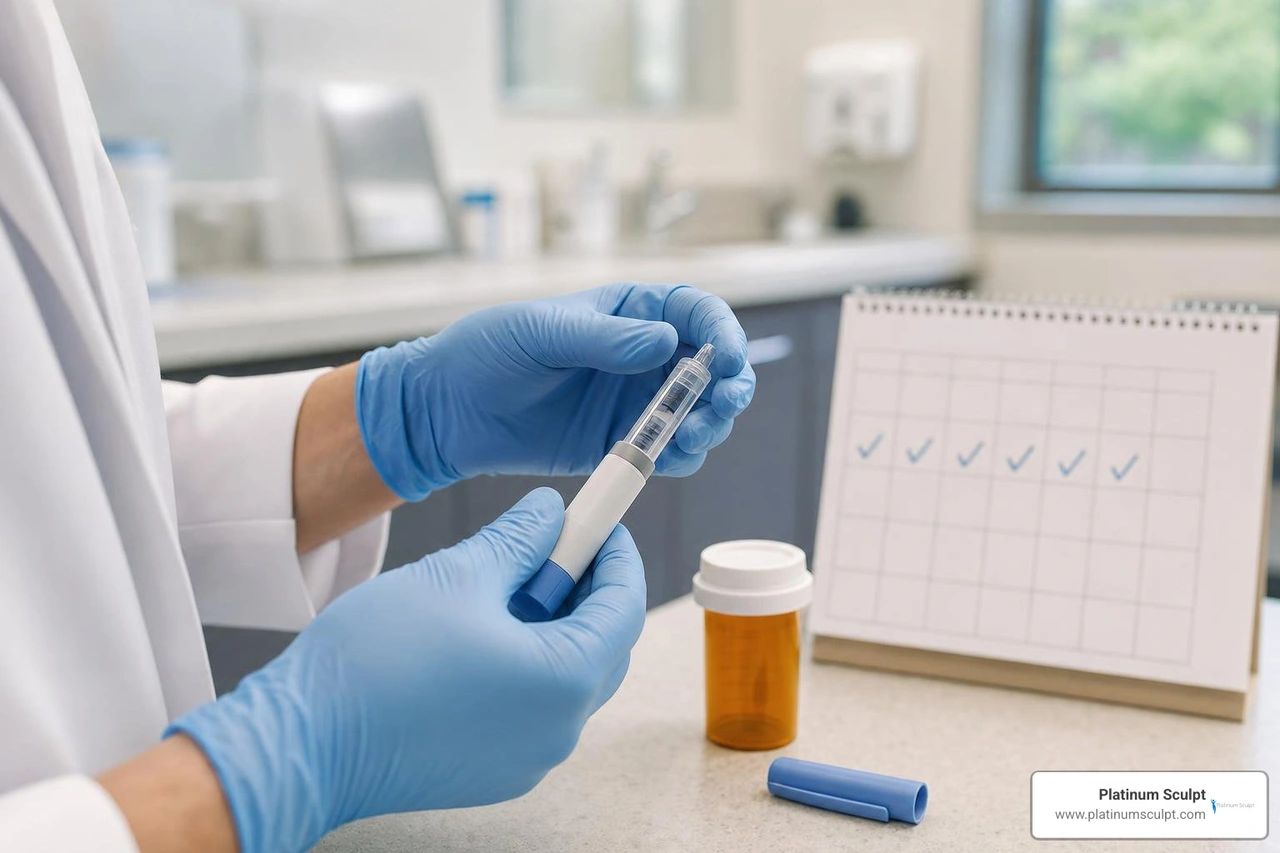
Patients exploring Bowling Green semaglutide protocols begin at a low introductory dose, such as 0.25 mg weekly, which gradually escalates over several months to a maintenance target of 2.4 mg. This slow titration schedule allows the digestive system to adapt, reducing the incidence and severity of gastrointestinal side effects while optimizing glycemic control and markers of cardiometabolic health.
For individuals who prefer oral regimens over injections, several FDA-approved combination therapies and single agents provide targeted mechanisms. Bupropion-naltrexone combines an antidepressant with an opioid antagonist, working synergistically within the hypothalamus and mesolimbic dopamine circuits to curb food cravings and suppress appetite. Phentermine-topiramate combines an amphetamine-related appetite suppressant with a neurostabilizer that promotes early fullness.
Orlistat works locally in the gastrointestinal tract rather than the brain by inhibiting gastric and pancreatic lipases, preventing the breakdown and absorption of roughly 30% of dietary fat. In oral incretin developments, Wegovy pill clinical trial data showed that high-dose oral semaglutide achieved a 16.6% body weight reduction at 64 weeks when taken daily on an empty stomach, providing an alternative for those seeking oral options.
Across clinical trials, adults taking prescription medication alongside a lifestyle intervention lost between 3% and 18% more total body weight after one year than those relying solely on lifestyle changes. Achieving a 5% to 10% reduction in total weight can improve resting systolic blood pressure, lower fasting blood sugar, decrease serum triglycerides, reduce joint strain, and alleviate symptoms of sleep apnea.
When reviewing whether the weight loss medications prescribed by Platinum Sculpt are safe, providers balance clinical benefits against potential risks. Common side effects for incretin medications include nausea, constipation, diarrhea, acid reflux, vomiting, and fatigue, which typically peak during dose escalation. Serious but rare risks include acute pancreatitis, gallbladder disorders (cholelithiasis), hypoglycemia in patients taking concurrent antidiabetic agents, and acute kidney injury secondary to dehydration.
Prescription therapies carry formal contraindications. GLP-1 receptor agonists carry a boxed warning based on rodent studies regarding thyroid C-cell tumors; they are strictly contraindicated in patients with a personal or family history of medullary thyroid carcinoma (MTC) or Multiple Endocrine Neoplasia syndrome type 2 (MEN 2). Weight management medications are also contraindicated during pregnancy due to fetal safety risks.
Obesity is a biological, relapsing disease regulated by complex neuroendocrine feedback loops. When body weight drops, the body responds by lowering resting metabolic rate and increasing ghrelin (the hunger hormone), an evolutionary response designed to defend stored fat.
Older sympathomimetic stimulants like phentermine monotherapy are FDA-approved strictly for short-term use (typically up to 12 weeks) due to potential cardiovascular stimulation and dependency risks. In contrast, modern therapies are designed for ongoing, long-term management. Discontinuing treatment without a structured maintenance plan often leads to weight regain as underlying hormonal drivers return. Our structured weight loss programs emphasize steady titration, ongoing clinical tracking, and tailored maintenance plans to support sustainable results.
Medications serve as supportive clinical tools rather than standalone solutions. Preserving lean muscle mass during weight reduction requires intentional dietary and physical activity habits:
The obesity pharmacotherapy pipeline is developing multi-agonist molecules and muscle-sparing compounds. Among the most closely watched investigational therapies is retatrutide, a "triple G" agonist targeting GLP-1, GIP, and glucagon receptors simultaneously. Early phase clinical studies indicate that retatrutide can produce average weight reductions exceeding 24% by combining appetite suppression with increased hepatic energy expenditure.
Other pipeline innovations focus on preserving lean mass by combining incretins with myostatin and activin receptor inhibitors, ensuring that weight loss comes predominantly from adipose tissue rather than muscle. Researchers are also engineering non-peptide small-molecule oral GLP-1 agonists that can be manufactured efficiently and taken without strict fasting requirements.
Coverage for obesity medications varies across insurance plans. Commercial payers frequently require comprehensive prior authorizations, documentation of past behavioral weight-loss attempts, and verified comorbidity diagnoses. While certain commercial employer plans include anti-obesity coverage, Medicare statutory exclusions historically limit coverage for weight loss alone, though exceptions exist when medications are prescribed for secondary FDA indications, such as reducing major cardiovascular event risks.
Without insurance coverage, brand-name GLP-1 and dual incretin injectables typically cost between $900 and $1,300 for a 30-day supply. Manufacturer savings cards can reduce out-of-pocket expenses for commercially insured individuals whose plans cover the drug. Generic options, such as generic phentermine or orlistat, present lower-cost alternatives, generally ranging from $15 to $60 per month.
Because obesity is a chronic metabolic condition, clinical evidence indicates that most individuals benefit from long-term therapy. When a patient reaches their goal weight, a clinician may recommend remaining on a maintenance dose, gradually tapering to the lowest effective dose, or transitioning to long-term behavioral strategies while monitoring for signs of weight regain.
Clinical guidelines recommend evaluating medication efficacy after 12 to 16 weeks on the maximum tolerated dose. If you have not lost at least 5% of your baseline body weight within this timeframe, your provider will typically discontinue the medication or switch to an alternative class, as this indicates the specific biological pathway may not be effective for your physiology.
Yes, certain medications have received FDA clearance for pediatric and adolescent patients. Liraglutide and semaglutide are approved as adjuncts to lifestyle therapy for adolescents aged 12 and older who meet specific BMI thresholds for age and sex. Pediatric treatments require specialized clinical oversight, family-centered dietary education, and ongoing growth monitoring.
Prescription weight management therapies provide medically supervised approaches for addressing obesity and metabolic dysfunction. When combined with adequate dietary protein, regular resistance training, and consistent clinical oversight, these therapies can support meaningful improvements in body composition and long-term health markers.
At Platinum Sculpt, our medical team evaluates your unique health history, metabolic profile, and personal goals to design an individualized protocol. To explore your options, learn more about our comprehensive wellness and weight loss programs, and schedule your consultation today.
.svg)


