

Or call us at for a free consultation!
Bowling Green: (270) 714-9964
Lexington: (859) 762-2664
Winchester: (859) 762-2664

A metabolic weight loss program uses a health assessment to build a weight loss plan around your needs. Instead of focusing only on calories, it may look at blood sugar, sleep, medications, and body composition. The plan can combine nutrition, movement, ongoing support, and prescription treatment when appropriate. The goal is to lose fat while protecting muscle and building habits that can help you maintain your results.
Results vary. A consultation can help you decide whether this approach fits your health history and goals.
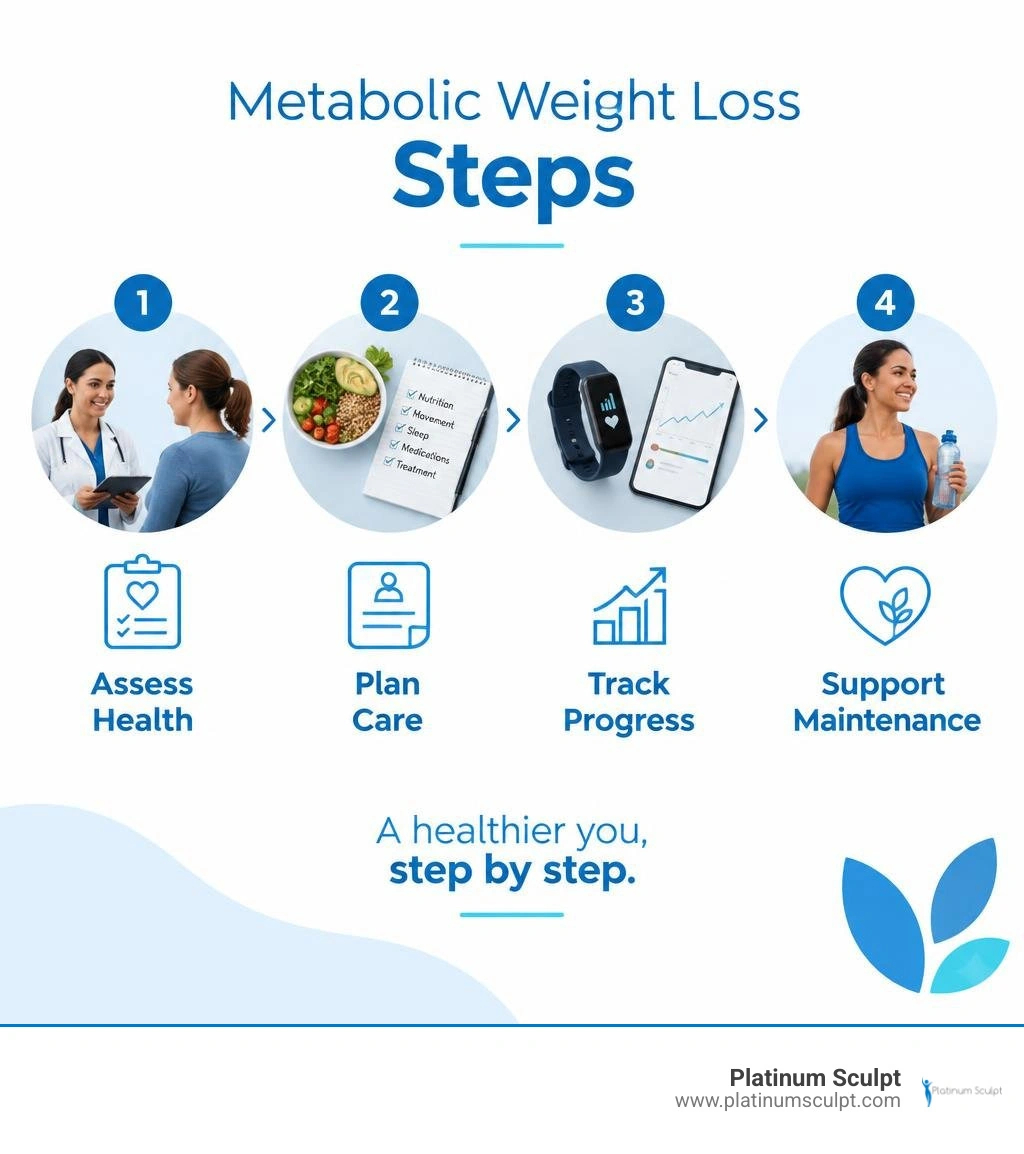
Metabolic weight loss program vocabulary:
Cellular metabolism controls how your body converts food into usable energy, stores fuel, and burns fat. Traditional weight loss strategies often rely on aggressive caloric deficits, operating under the assumption that cutting calories produces steady, long-term fat loss.
When you sharply reduce caloric intake without considering metabolic signaling, your body triggers biological adaptation. Your resting metabolic rate slows to conserve energy, hunger hormones increase, and your biological set point fights to restore previous weight levels.
A clinical approach addresses these regulatory systems directly. By managing hormonal signaling, insulin levels, and nutrient distribution, you encourage your body to release stored body fat while preserving lean tissue.
| Feature | Traditional Calorie Restriction | Metabolic Weight Loss Program |
|---|---|---|
| Primary Focus | Daily calorie math and restriction | Cellular metabolism, hormones, and blood markers |
| Muscle Preservation | Often unmonitored; risk of lean muscle loss | Prioritized through targeted protein and body scans |
| Diagnostic Depth | Scale weight and BMI calculations | Comprehensive lab panels and body composition metrics |
| Appetite Management | Willpower and short-term restriction | Hormonal balance and clinical therapies when indicated |
| Long-Term Strategy | High rate of weight regain | Biological set-point adjustment and lifestyle habits |
A well-designed plan combines multiple clinical disciplines to support sustained vitality. Key components include:
Our clinical team incorporates these elements through specialized medical weight loss services, ensuring each plan aligns with your personal medical profile.
Glucagon-like peptide-1 (GLP-1) receptor agonists have established a strong role in modern metabolic care. These therapies mirror natural gut hormones that regulate appetite, slow gastric emptying, and improve insulin secretion.
When integrated into a broader lifestyle program, GLP-1 medications reduce persistent food preoccupation and support healthy glycemic control. Clinical research indicates that patients participating in supervised GLP-1 regimens can achieve substantial weight reduction, often averaging near 15% to 20% total body weight loss depending on the specific protocol and individual response.
Medications work best as part of an organized system rather than a standalone option. At Platinum Sculpt, our semaglutide weight loss program pairs medication management with ongoing dietary coaching, regular check-ins, and body composition tracking to ensure your weight loss comes primarily from fat stores.
Sustained weight gain frequently stems from underlying physiological issues rather than simple behavioral choices.
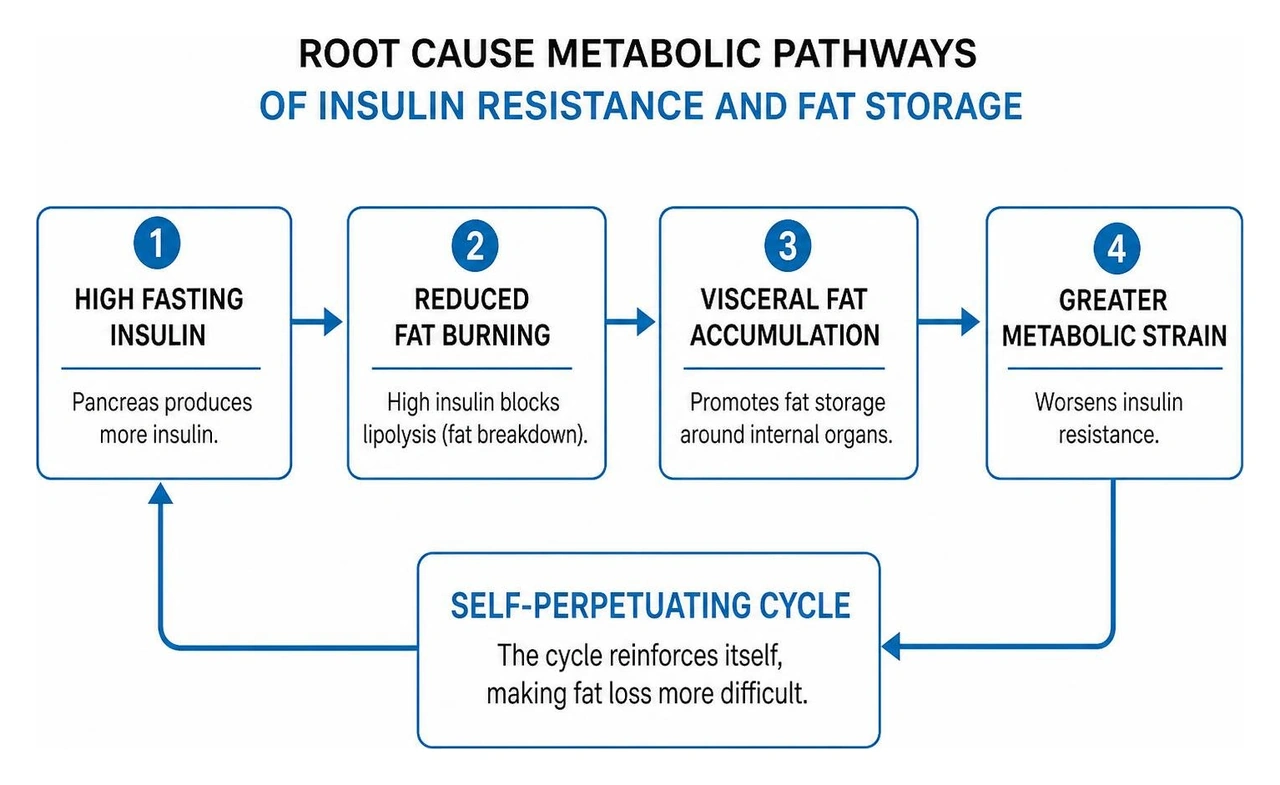
When cells become resistant to insulin, the pancreas produces higher amounts of this storage hormone. Hyperinsulinemia blocks lipolysis (fat breakdown) and promotes visceral adiposity around internal organs. A medical program helps identify these factors, using clinical protocols designed to support patients facing health conditions improved by medical weight management such as pre-diabetes and elevated blood pressure.
Hormonal transitions significantly alter energy expenditure. During perimenopause and menopause, shifting estrogen levels can cause a 5% to 10% decline in resting metabolic rate, often accompanied by an increase in abdominal fat storage. Women also experience a natural loss of 3% to 8% of muscle mass per decade after age 30, which accelerates during midlife changes.
Chronic stress further compounds this issue. Elevated cortisol levels trigger glucose release and encourage visceral fat storage. A structured protocol assesses thyroid function, cortisol rhythms, and sex hormones, providing dietary and lifestyle adaptations that protect your baseline metabolic rate as you age.
Metabolic syndrome is clinically diagnosed when an individual presents with three or more of the following conditions:
By improving cellular insulin sensitivity and supporting sustained fat loss, medical protocols help normalize lipid profiles, reduce systemic blood pressure, and lower HbA1c values. Our comprehensive weight management guide outlines how structured interventions help lower cardiovascular risk factors and restore long-term wellness.
A standard bathroom scale tracks only total weight, masking changes in body composition. During rapid weight reduction, especially with GLP-1 medications, up to 25% to 40% of lost weight can come from lean muscle tissue if proper precautions are not taken.

Preserving skeletal muscle is essential because one pound of resting muscle burns approximately 6 calories per day, compared to roughly 2 calories per day for fat tissue. Losing muscle lowers your basal metabolic rate, increasing the likelihood of weight regain. We utilize advanced bioimpedance tools, such as InBody scans, to monitor skeletal muscle mass, fat mass, and visceral fat levels at regular intervals throughout your care.
Safeguarding lean tissue requires deliberate nutritional and physical strategies:
For individuals seeking total physique refinement alongside weight loss, integrating medical weight loss with non-invasive body contouring allows you to reduce overall fat systemically while addressing localized areas of stubborn subcutaneous fat.
Metabolic care models range from self-guided digital platforms to intensive clinical protocols. High-level clinical programs stand apart by providing continuous medical oversight, thorough diagnostics, and customized treatment plans.
Programs structured around 12-to-24-week treatment arcs provide sufficient time to modify metabolic pathways, establish sustainable daily habits, and initiate gradual medication tapering when goals are achieved. Structured group and physician-led initiatives, such as those detailed in academic settings like the Metabolic Fitness Program at University of Michigan Health, demonstrate that consistent clinical education and supervised exercise lead to measurable improvements in metabolic syndrome markers.
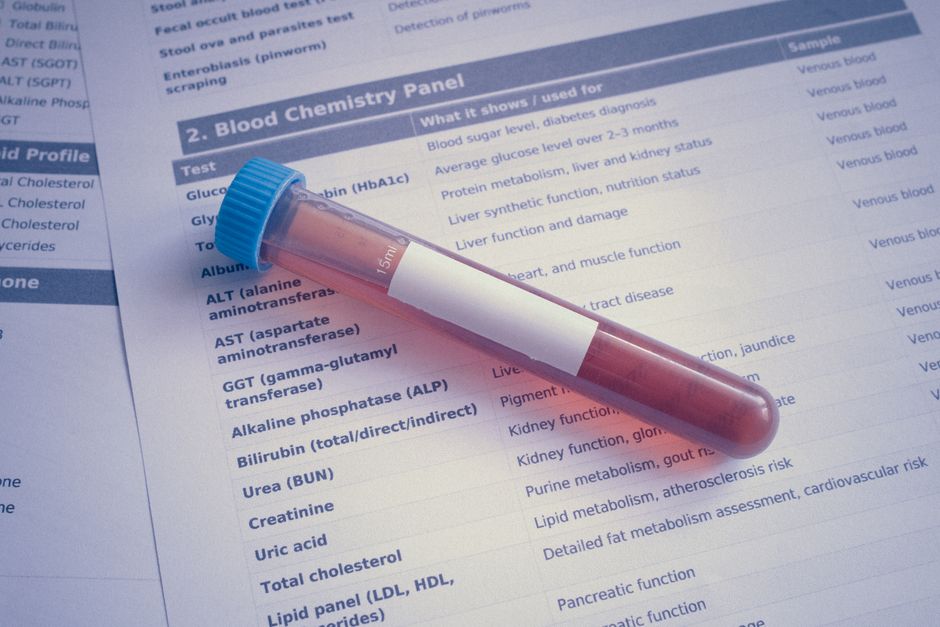
Thorough diagnostic evaluations establish a clear baseline before starting any protocol. These assessments typically incorporate:
Consistently attending regular check-ins and appointments allows clinicians to adjust medication dosages, evaluate nutritional adherence, and manage potential side effects promptly, keeping you comfortable and supported throughout your treatment.
Initial changes often appear within the first two to four weeks as water balance shifts and appetite regulates. Steady fat reduction generally continues over subsequent months. Individual progress varies based on baseline metabolic health, adherence to nutrition plans, physical activity levels, and medication protocols. You can learn more about the expected timeline for weight loss results during your initial health assessment.
Medications are clinical tools, not universal requirements. While GLP-1 therapies provide significant support for many individuals, non-pharmacologic programs focusing on nutrition, movement, and lifestyle adaptations are also effective options. A thorough review of your health history helps assess candidacy and identify potential contraindications, ensuring high standards for the safety and side effects of weight loss medications.
Preventing weight regain involves avoiding severe metabolic slowdown during active fat loss. By monitoring body composition, preserving skeletal muscle, gradually stabilizing metabolic rate, and establishing permanent lifestyle routines, these programs help protect your progress. A structured plan for maintaining weight loss results long-term helps you sustain your physical transformation for years to come.
Platinum Sculpt is a luxury med spa located in Bowling Green, Lexington, and Winchester, KY, specializing in body contouring, injectables, skin tightening and laser resurfacing, facials, hair restoration, and medical weight loss and wellness. Our clinical providers design physician-supervised metabolic programs tailored to your unique biochemistry, helping you achieve lasting improvements in body composition, energy, and overall health.
Service availability varies by location:
Take the first step toward lasting health and vitality. Please call our Bowling Green clinic at 270-714-9964 or our Lexington and Winchester clinics at 859-762-2664, or schedule your personalized wellness and weight loss consultation with our medical team today.


