Prescription Medicine to Help Lose Weight: A Safe Place to Start

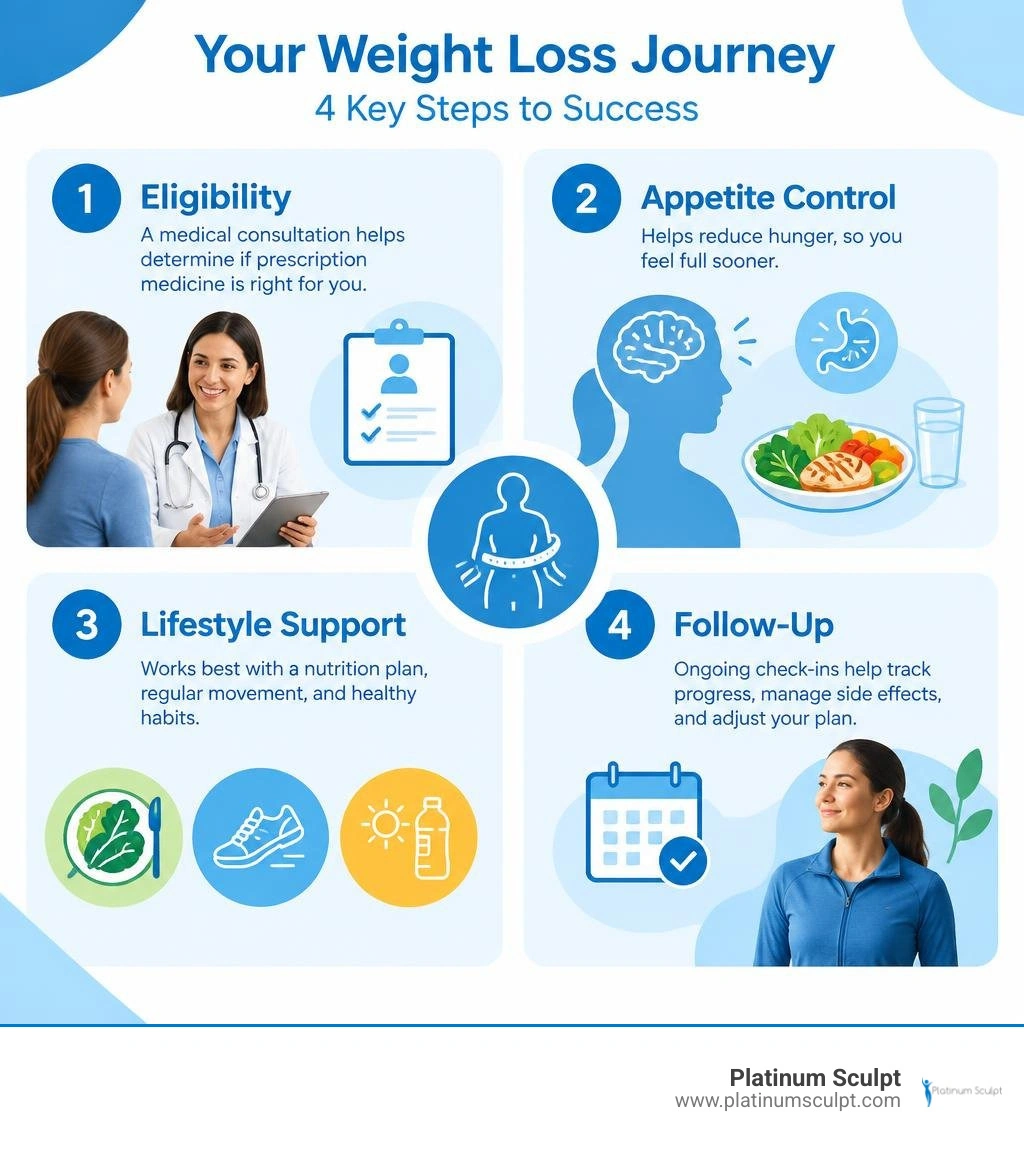
Prescription medicine to help lose weight may be an option for adults with a BMI of 30 or higher, or 27 or higher with a weight-related condition such as high blood pressure, type 2 diabetes, or sleep apnea. The first step is a medical consultation to review your health history, current medications, goals, and insurance coverage.
These medicines can reduce hunger, help you feel full sooner, slow stomach emptying, or reduce fat absorption. They work best alongside a nutrition plan, regular movement, and ongoing follow-up. Results vary, but studies show that prescription medication added to lifestyle support can lead to more weight loss than lifestyle changes alone.
More than 4 in 10 U.S. adults live with obesity. For many people, weight management is a long-term health concern, not a matter of willpower. Newer GLP-1 and GIP medicines, along with oral options, give qualified patients more evidence-based choices.
At Platinum Sculpt, a luxury med spa serving Bowling Green, Lexington, and Winchester, Kentucky, medical weight-loss consultations can help determine whether a prescription approach fits your health needs and goals. A clinician can also explain Medicare rules, which generally limit coverage for medications prescribed solely for weight loss.
Medicine to help lose weight terms to learn:
How Prescription Medicine to Help Lose Weight Works and Who Qualifies
Managing chronic weight requires a clear clinical strategy. Body weight is regulated by complex neurochemical pathways in the brain, gut hormone signals, and metabolic feedback loops. When someone attempts to lose weight through caloric restriction alone, the body often responds by increasing hunger hormones and reducing resting energy expenditure.
Prescription pharmacotherapy provides biological support to counterbalance these metabolic adaptations. Through structured medical weight loss support, patients receive medical supervision that addresses underlying physiological drivers rather than relying on short-term diets.
Qualifying Criteria and Clinical Eligibility for Weight Management
Prescription therapies are not intended for cosmetic weight loss. Standard medical guidelines set clear qualification benchmarks:
- Body Mass Index (BMI) of 30 kg/m² or greater: Classifies as clinical obesity and qualifies an individual for evaluation without requiring related conditions.
- Body Mass Index (BMI) of 27 to 29.9 kg/m²: Classifies as overweight and qualifies an individual if accompanied by at least one weight-related comorbidity.
Common weight-related health conditions that establish eligibility include:
- Cardiovascular conditions: Hypertension (high blood pressure) and dyslipidemia (elevated cholesterol or triglycerides).
- Metabolic disorders: Type 2 diabetes mellitus, prediabetes, and insulin resistance.
- Respiratory issues: Obstructive sleep apnea.
- Joint and circulatory stress: Osteoarthritis and non-alcoholic fatty liver disease.
During an initial assessment, a healthcare provider evaluates baseline vitals, lab work, existing prescriptions, and personal health history to select a safe, clinically appropriate option.
How Clinical Medicine to Help Lose Weight Works in the Body
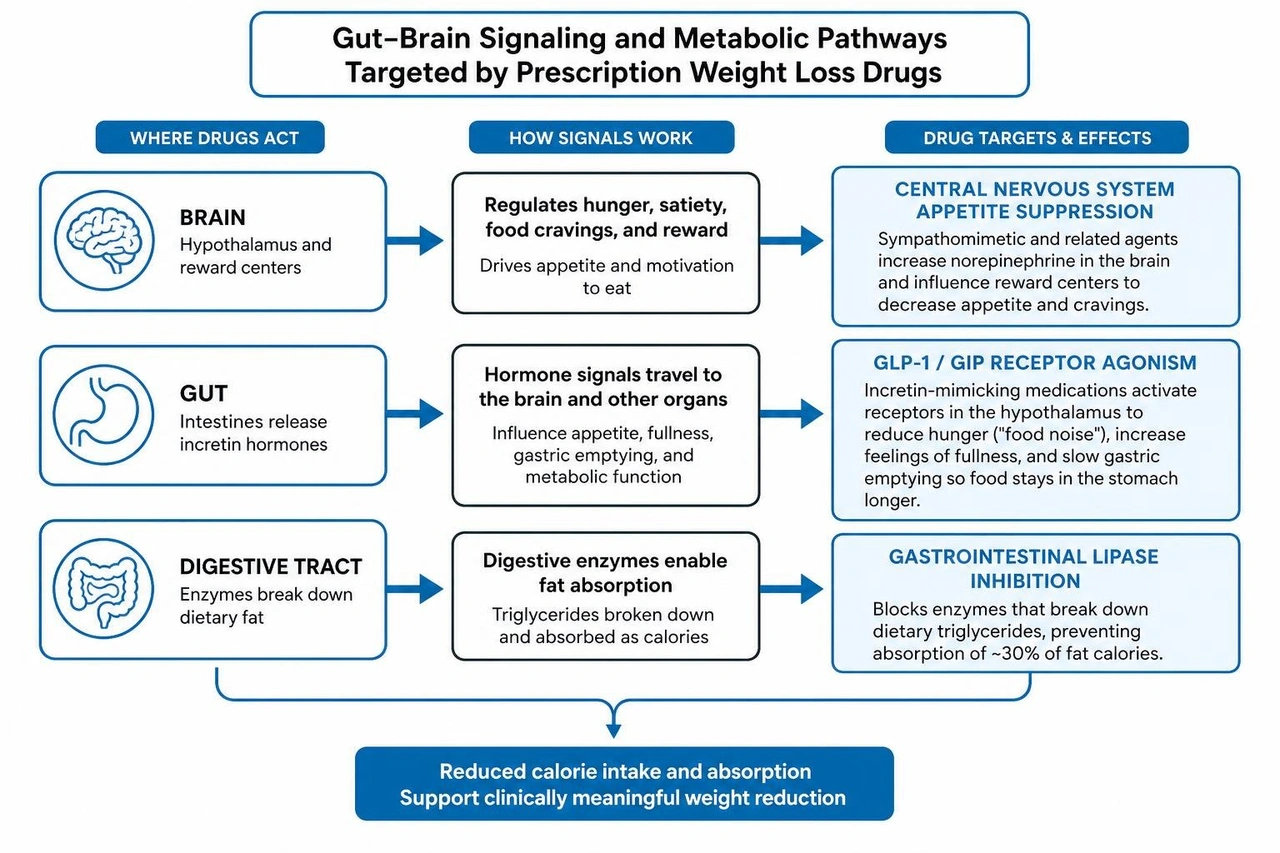
Prescription medications utilize several primary physiological mechanisms to assist with sustainable weight reduction:
- GLP-1 and GIP Receptor Agonism: Glucagon-like peptide-1 (GLP-1) and glucose-dependent insulinotropic polypeptide (GIP) are natural incretin hormones secreted by the intestines. Medications mimicking these hormones activate receptors in the hypothalamus to quiet constant hunger signals (often described as "food noise"), enhance feelings of fullness, and slow gastric emptying so food remains in the stomach longer.
- Central Nervous System Appetite Suppression: Sympathomimetic agents, such as those described in the DailyMed - PHENTERMINE- phentermine hydrochloride capsule documentation, stimulate the release of norepinephrine in the brain, decreasing appetite for short-term management. Combination therapies may also influence the brain's reward center to curb food cravings.
- Gastrointestinal Lipase Inhibition: Certain medications work directly in the digestive tract by blocking the enzymes responsible for breaking down dietary triglycerides, preventing the body from absorbing roughly 30% of ingested fat calories.
Overview of FDA-Approved Weight Loss Medications: Injections vs. Oral Pills
Prescription weight management therapies fall into two primary delivery categories: weekly subcutaneous injections and daily oral capsules or tablets. Both formats have distinct clinical advantages depending on patient preferences, metabolic targets, and tolerance profiles.
Injectable GLP-1 and Dual-Agonist Therapies
Injectable incretin mimetics have become standard options in modern obesity medicine due to their high clinical efficacy in clinical trials. By September 2026, these once-weekly therapies remain widely utilized:
- Semaglutide (Wegovy): A selective GLP-1 receptor agonist administered weekly. In large-scale clinical trials (the STEP program), adults taking maximum maintenance doses alongside lifestyle modifications achieved an average body weight reduction of approximately 15% over 68 weeks. Patients interested in incretin therapies can learn more by exploring the wonders of semaglutide.
- Tirzepatide (Zepbound): A dual GIP and GLP-1 receptor agonist. By activating two distinct incretin pathways, it enhances insulin sensitivity and satiety signaling. In the SURMOUNT-1 clinical trial, participants taking the highest dose achieved up to a 22.5% average reduction in starting body weight at 72 weeks.
- Liraglutide (Saxenda): A daily GLP-1 injection that was an earlier entry in incretin-based weight management, typically producing an average weight loss of 5% to 8%.
Oral Medications and Daily Prescription Pills
For individuals who prefer not to use injections, oral medications provide proven alternatives:
- Oral Wegovy (Oral Semaglutide): Formulated as a daily tablet for chronic weight management. In clinical studies, adults taking daily oral semaglutide achieved an average weight loss of roughly 14% over 15 months when paired with lifestyle interventions.
- Phentermine-Topiramate Extended-Release (Qsymia): Combines a short-term appetite suppressant with an anticonvulsant that enhances satiety. Studies indicate up to 70% of patients achieve at least a 5% reduction in total body weight.
- Naltrexone HCl and Bupropion HCl (Contrave): An extended-release tablet combining an opioid antagonist with an antidepressant. As outlined in the DailyMed - CONTRAVE EXTENDED-RELEASE- naltrexone hydrochloride and bupropion hydrochloride tablet, extended release prescribing information, this medication targets the hypothalamus and the dopamine-driven mesolimbic reward system to help manage emotional eating and cravings.
- Orlistat (Xenical, Alli): A targeted digestive enzyme blocker. According to the DailyMed - XENICAL- orlistat capsule label, it prevents the absorption of approximately one-third of dietary fat, yielding an average weight reduction of 5% when combined with a reduced-calorie, low-fat diet.
| Medication Name | Active Ingredient | Primary Mechanism | Delivery Method | Average Weight Reduction |
|---|
| Zepbound | Tirzepatide | Dual GIP / GLP-1 Receptor Agonist | Weekly Subcutaneous Injection | Up to 20% - 22.5% |
| Wegovy | Semaglutide | GLP-1 Receptor Agonist | Weekly Injection or Daily Tablet | 14% - 15% |
| Saxenda | Liraglutide | GLP-1 Receptor Agonist | Daily Subcutaneous Injection | 5% - 8% |
| Qsymia | Phentermine / Topiramate ER | Sympathomimetic / Neurotransmitter Modulator | Daily Oral Capsule | 8% - 11% |
| Contrave | Bupropion / Naltrexone ER | Aminoketone / Opioid Antagonist | Daily Oral Tablet | 5% - 9% |
| Xenical | Orlistat | Gastric & Pancreatic Lipase Inhibitor | Oral Capsule (3x Daily with Meals) | 5% |
Medicare Coverage, Insurance Guidelines, and Out-of-Pocket Costs
Understanding financial options and health plan rules is an important part of starting a medical weight-loss program. Prescription coverage varies substantially between commercial policies, employer plans, and federal programs like Medicare.
How Medicare Part D Handles Weight Loss Drugs and Secondary Indications
Traditional Medicare coverage is governed by specific federal statutory guidelines established by Congress:
- The Statutory Exclusion: Under original Medicare Part D legislation, medications prescribed specifically and solely for "weight loss or weight gain" are statutorily excluded from standard plan formularies. As a result, standard Medicare Part D plans cannot cover anti-obesity drugs when written strictly for a primary diagnosis of obesity.
- Approved Secondary Medical Indications: Medicare Part D plans may provide coverage for certain incretin medications when they are prescribed for separate, FDA-approved indications. For example, semaglutide or tirzepatide may be covered when prescribed for managing poorly controlled type 2 diabetes, or when prescribed to reduce the risk of major adverse cardiovascular events (such as stroke or heart attack) in patients with established cardiovascular disease and elevated BMI.
- Prior Authorization Requirements: Even when a qualifying secondary medical condition is present, Medicare Part D and Medicare Advantage plans typically require detailed prior authorization paperwork, documented medical necessity, and clinical chart notes verifying baseline laboratory values.
Does Medicare Cover Medicine to Help Lose Weight for General Obesity?
For patients with Medicare who have obesity without an approved secondary condition (such as diabetes or established cardiovascular disease), prescription weight-loss medications remain an out-of-pocket expense.

When navigating out-of-pocket costs, patients should consider several important factors:
- Retail Cash Pricing: Brand-name injectable incretins can range from $900 to over $1,300 per month without insurance coverage.
- Manufacturer Copay Restrictions: Commercial savings cards offered by pharmaceutical manufacturers often reduce copays to $25 to $50 per month for privately insured patients. However, federal regulations strictly prohibit individuals enrolled in government-funded healthcare programs (including Medicare, Medicaid, and TRICARE) from utilizing manufacturer savings coupons.
- Risks of Unregulated Compounded Drugs: In response to pricing barriers and drug shortages, some consumers seek compounded alternatives. The FDA has issued formal warnings regarding unapproved compounded semaglutide and tirzepatide products, noting risks related to salt-form substitutions (such as semaglutide sodium), improper dosing concentrations, sterility concerns, and lack of rigorous pre-market safety testing. Patients should always obtain medications through licensed, regulated healthcare channels.
Clinical Safety, Side Effects, and Maximizing Results Through Lifestyle Integration
Prescription medications are designed to serve as an adjunct to sustainable lifestyle changes. To achieve optimal health benefits, medical therapies must be paired with structured clinical monitoring, adequate nutrition, and body composition management.
Managing Side Effects and Safe Dosing Protocols
Most patients tolerate weight-loss medications well when starting at a low dose and increasing slowly. Typical side effects and clinical management strategies include:
- Gastrointestinal Symptoms: Incretin therapies (GLP-1 and GIP agonists) commonly cause mild-to-moderate nausea, constipation, acid reflux, or diarrhea during initial dose escalation. Clinicians utilize gradual monthly titration schedules to allow the gastrointestinal tract to adapt.
- Hydration and Meal Timing: Eating smaller, protein-focused meals, avoiding high-fat or greasy items, and drinking plenty of water throughout the day can significantly reduce nausea and digestive discomfort.
- Nutrient Absorption Considerations: Lipase inhibitors like orlistat can lead to loose stools and reduce the absorption of fat-soluble vitamins (A, D, E, and K). As highlighted in the DailyMed - ORLISTAT capsule guidelines, patients taking orlistat should take a daily multivitamin at bedtime or at least two hours before or after their medication.
- Rare Serious Risks: Although uncommon, patients and providers must watch for signs of pancreatitis, gallbladder issues (such as gallstones caused by rapid weight loss), kidney stress from dehydration, or allergic responses.
Pairing Pharmacotherapy with Nutrition and Body Contouring
When an individual loses a significant amount of weight, the total reduction consists of both adipose (fat) tissue and lean muscle mass. Preserving muscle mass is essential for maintaining a healthy metabolic rate.
A comprehensive weight management approach includes:
- Adequate Protein Intake: Consuming sufficient dietary protein helps protect muscle tissue while your body is in a caloric deficit.
- Resistance and Strength Training: Regular resistance exercise stimulates muscle synthesis, improves joint stability, and supports metabolic health.
- Addressing Stubborn Areas: Significant weight loss can leave behind localized pockets of subcutaneous fat or loose skin that do not respond to diet or exercise alone. In these cases, non-invasive body contouring after weight loss procedures, such as CoolSculpting fat freezing, can help target specific trouble spots to refine your final body shape.
Frequently Asked Questions About Prescription Weight Loss Medications
How long do you need to stay on prescription weight-loss medication?
Obesity is recognized by the medical community as a chronic, relapsing condition. Because these medications work by modulating biological hunger signals and metabolic set points, stopping treatment often leads to an increase in appetite hormones and a decrease in satiety signals.
Clinical trials show that individuals who stop taking weight-loss medications without established long-term habits often regain a portion of their lost weight over the following year.
Many patients continue maintenance therapy long term if the medication remains effective, well tolerated, and medically appropriate. For those wishing to discontinue medication, working closely with a provider on gradual tapering, consistent exercise, and structured nutrition is essential for safely maintaining long-term weight loss results.
FDA-approved brand medications undergo extensive, multi-phase clinical trials to evaluate efficacy, safety, consistent bioavailability, and sterile manufacturing standards.
Compounded versions are prepared by compounding pharmacies to address specific individual needs or formal drug shortages. However, compounded medications do not undergo direct pre-market FDA review for safety and efficacy. Patients should exercise caution and ensure any prescription is dispensed through licensed, accredited pharmacies under the guidance of a qualified medical provider.
Can teenagers or adolescents qualify for medical weight-loss treatments?
Yes, under specific clinical guidelines and with direct pediatric or adolescent medical supervision. Several weight-loss medications have received FDA approval for pediatric patients aged 12 and older who have an initial BMI at or above the 95th percentile for age and sex (standard pediatric definition of obesity).
Medications approved for this group include once-weekly semaglutide (Wegovy), daily liraglutide (Saxenda), orlistat (Xenical), and phentermine-topiramate (Qsymia). Treatment for adolescents should always be integrated into a family-supported nutrition and physical activity plan.
Conclusion
Prescription medicine can be a valuable tool for adults working to overcome biological barriers to weight loss and improve their long-term metabolic health. By reducing persistent hunger, improving insulin sensitivity, and slowing digestion, modern medications provide meaningful clinical support when paired with a healthy lifestyle.
Platinum Sculpt is a luxury med spa located in Bowling Green, Lexington, and Winchester, KY, specializing in body contouring, injectables, skin tightening and laser resurfacing, facials, hair restoration, and medical weight loss and wellness. We believe in providing clear, individualized care to help you navigate medication options, manage insurance considerations, and build lasting lifestyle habits.
Service availability varies by location:
- Bowling Green: Offers HydraFacial, CoolSculpting (with our written results guarantee), TotalSkin Solution, injectables, skin tightening, laser resurfacing, and medical weight loss.
- Lexington: Offers DiamondGlow, TotalSkin Solution, CoolSculpting, CoolTone, facials, injectables, skin tightening, laser resurfacing, and medical weight loss.
- Winchester: Focuses on medical weight loss, injectables, laser resurfacing, hair restoration, IV infusions, GeniusRF, and PDGF under-eye treatment (does not offer HydraFacial, CoolSculpting, CoolTone, or traditional facials).
To learn more about our medical evaluations and explore our custom wellness weight loss programs, please schedule your consultation today. Results vary by individual, and our medical team is here to help design a plan suited to your health history and personal goals.


.svg)

