

Or call us at for a free consultation!
Bowling Green: (270) 714-9964
Lexington: (859) 762-2664
Winchester: (859) 762-2664

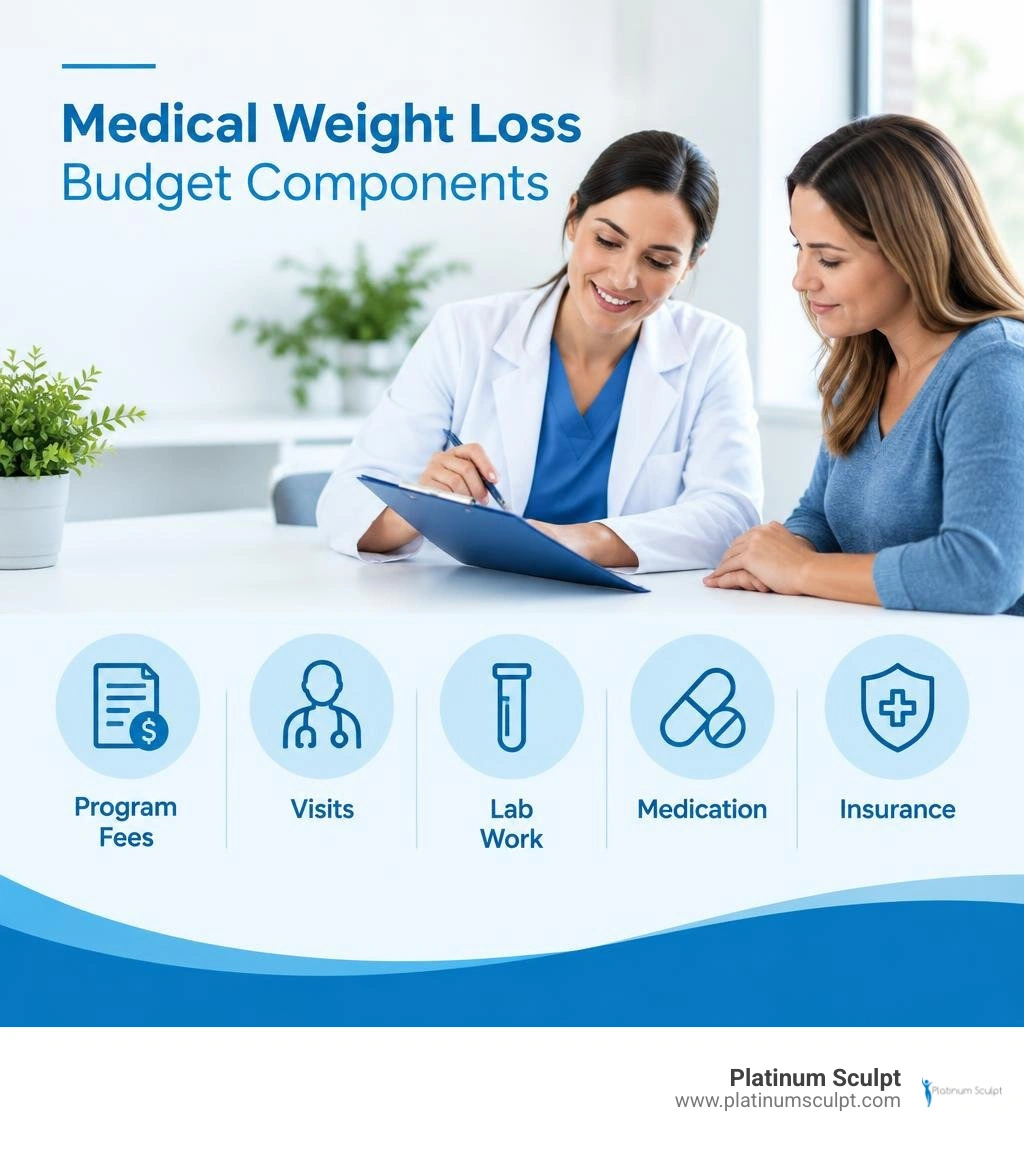
Budget for the full cost, not just the advertised monthly fee. A medical weight loss program may charge for visits, lab work, and medication separately. A supervised program can cost around $1,000, while prescription medication may add hundreds or more than $1,000 per month without insurance coverage. Your total depends on the treatment, how long you continue, and what your plan covers.
Before enrolling, ask for an estimate that lists each cost and any required upfront payment. A transparent estimate should separate one-time intake fees from recurring clinical visits, diagnostic testing, and pharmacy charges. This approach helps you compare programs accurately and avoid unexpected billing later. Platinum Sculpt offers medical weight loss services in Bowling Green, Lexington, and Winchester, Kentucky. Book a consultation to discuss your options and request a budget based on your needs.
Relevant articles related to weight loss program pricing:
Navigating the financial landscape of weight management requires evaluating the structure, oversight, and overall financial commitment involved in a clinical approach. As of 2026, medical weight loss programs vary widely in scope depending on the level of professional oversight and the specific services included.
| Program Model | Average Monthly Cost | Clinical Oversight Level | Typical Inclusions |
|---|---|---|---|
| Standard Clinical Supervision | $150 to $350 / month | Moderate to High | Provider consults, vitals monitoring, nutrition counseling |
| Medical GLP-1 Therapy (Self-Pay) | $300 to $1,400+ / month | Comprehensive Medical | Prescriptions, continuous clinical check-ins, lab review |
Clinical models focus on treating metabolic health directly under professional supervision, with pricing that reflects the depth of monitoring and personalization involved.
Physician-supervised protocols involve dedicated medical consultations, metabolic assessments, and personalized nutritional guidance. Enrolling in structured medical weight loss ensures that qualified practitioners monitor your physiological vital signs, lean muscle mass retention, and blood chemistry throughout every phase.
An initial intake consultation usually covers a thorough medical history, biometric measurements, and diagnostic testing. Subsequent visits track tolerance to therapies and ensure sustainable progress. By investing in clinician-guided protocols, individuals avoid the recurring cycle of trial-and-error spending associated with unsupervised approaches. Many clinical programs also adjust treatment plans based on laboratory results, which can help prevent complications and support steady, measurable progress over time.
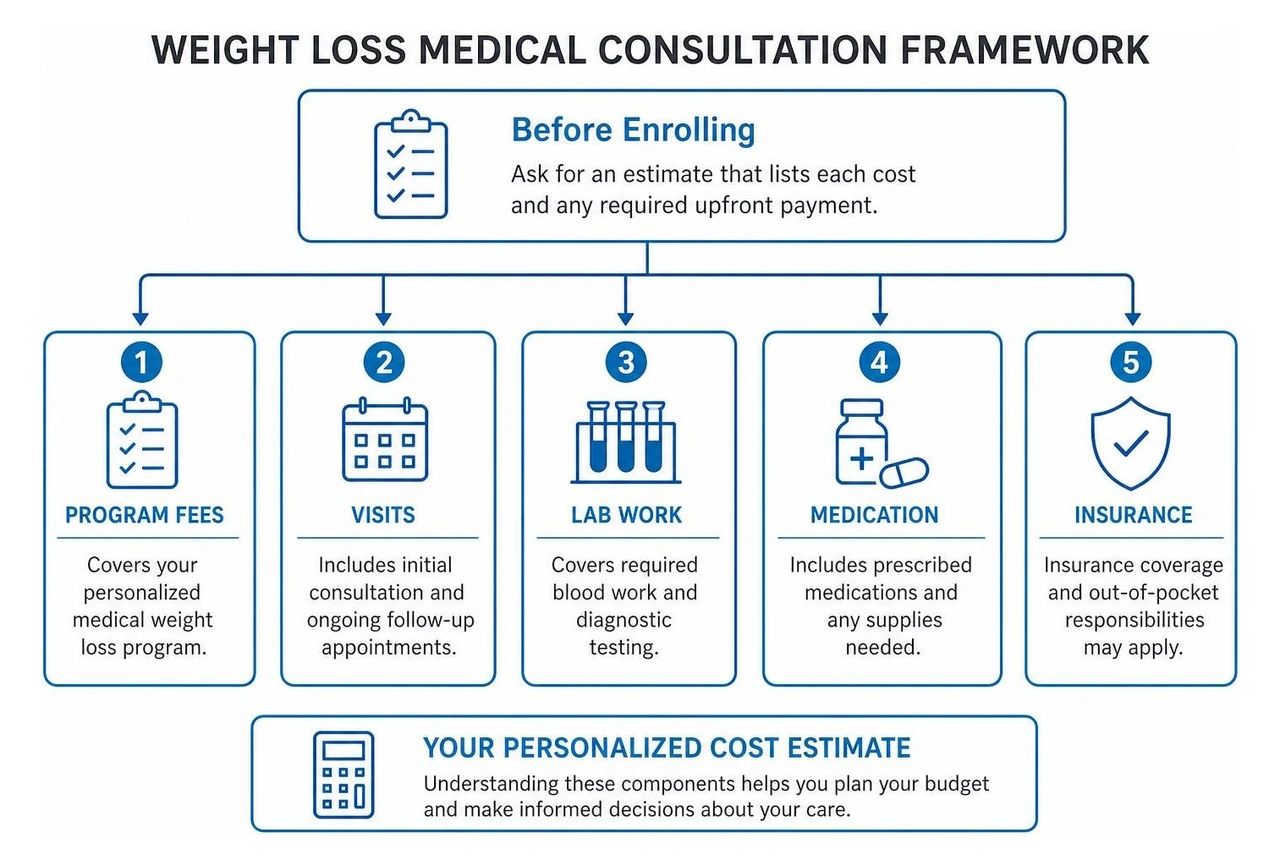
The overall expense of clinical weight management depends on treatment duration, dosage titration, and the specific therapeutic agents selected. Program length often reflects individual metabolic response, adherence to nutritional guidance, and the presence of weight-related health conditions that require closer monitoring.
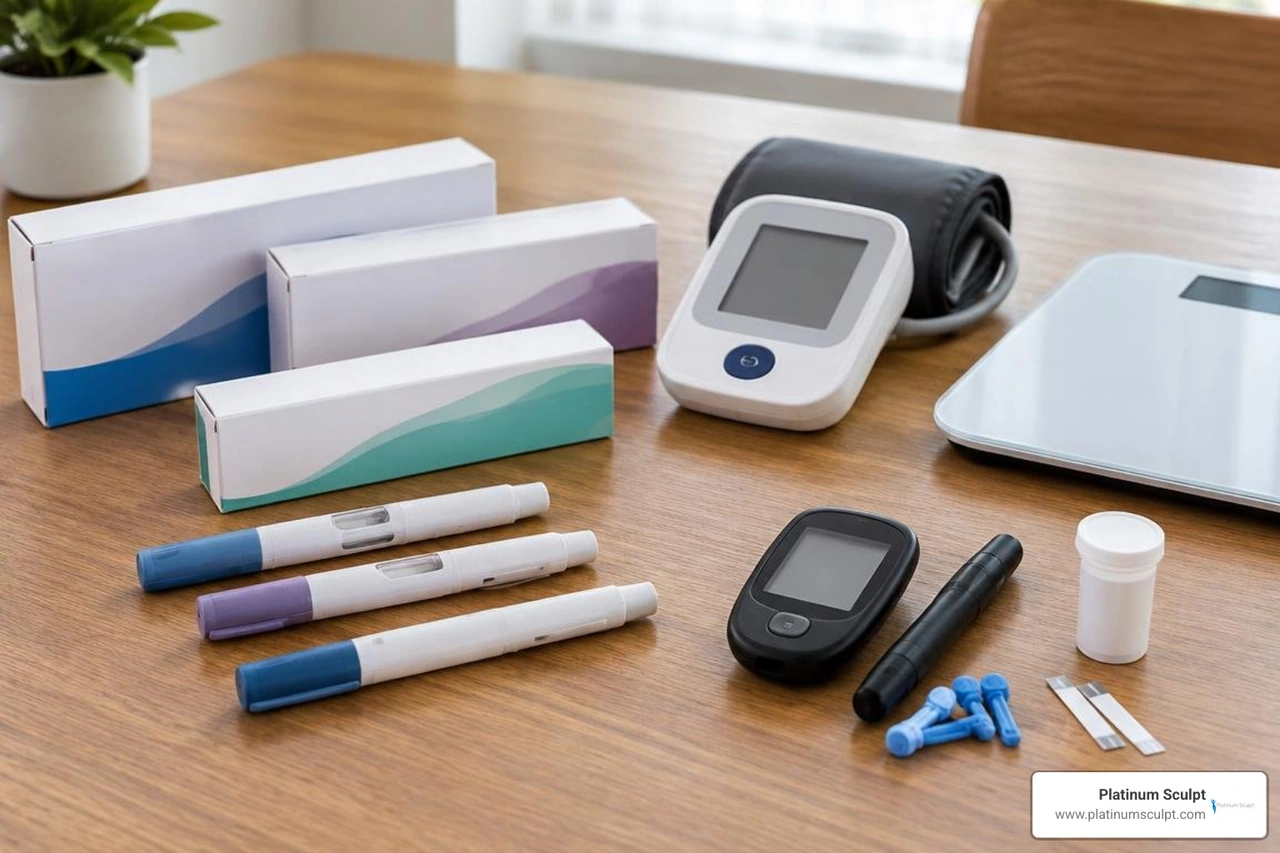
For individuals prescribed modern incretin mimetics, medication costs represent the primary variable in the overall budget. Selecting a medicine to help lose weight involves weighing list prices against compounded alternatives:
Dosage escalations also impact budgets. Lower starting doses gradually increase during the titration phase, which may alter medication pricing over a six to twelve month timeline. Patients should confirm whether their quoted monthly rate applies to all dosage levels or only to the initial starting dose.
To establish an accurate long-term budget, account for secondary costs that may not be bundled into basic advertised subscription rates:
Reviewing these secondary expenses before enrollment helps prevent mid-program budget adjustments and supports consistent treatment adherence.
Formulary designs vary significantly among employer-sponsored insurance packages, individual market policies, and public programs. Understanding your specific plan structure can help you anticipate approval requirements and out-of-pocket responsibilities before committing to a clinical weight loss program.
Commercial health insurance policies often impose strict criteria before approving coverage for anti-obesity medications. Many plans require prior authorizations documenting a Body Mass Index (BMI) of 30 or greater, or a BMI of 27 with at least one weight-related comorbidity such as hypertension or dyslipidemia.
Patients must frequently submit comprehensive clinical records verifying previous participation in structured lifestyle programs. When coverage is denied, navigating medical appeals or shifting toward self-pay clinical alternatives provides predictable pricing. Some patients also discover that their plan covers clinical visits and laboratory testing even when medication coverage is excluded, which can reduce overall program costs.
Tax-advantaged accounts and dedicated health credit services help make out-of-pocket medical weight management expenses manageable:
Combining these payment strategies can make clinical weight management more accessible while preserving the continuity of care that supports long-term results.
Evaluating the financial impact of a medical weight loss program requires looking beyond immediate costs to consider long-term health economics. Weight-related conditions often carry recurring expenses that accumulate over years, making clinical intervention a practical financial consideration as well as a health decision.

Chronic obesity contributes to significant lifetime healthcare expenditures, including recurring copayments for hypertension, type 2 diabetes, hyperlipidemia, and joint degeneration. Clinical weight loss can help reduce or eliminate the need for daily maintenance medications, lower annual hospital visits, and reduce long-term cardiovascular risks. Investing in structured clinical intervention serves as preventive financial management that offsets future medical burdens.
Achieving significant weight loss often leaves individuals with localized subcutaneous fat pockets or skin laxity that diet and exercise alone cannot address. Combining physician-led weight loss with body contouring after weight loss provides a well-rounded aesthetic and physical transition. Non-invasive fat reduction technologies refine stubborn areas, helping you achieve your desired body shape as you establish long-term lifestyle habits. Planning for these complementary services during the budgeting phase can help you set realistic expectations for the full scope of your transformation.
Supervised medical weight loss programs generally range from $150 to $500 per month for clinical oversight, consultations, and metabolic monitoring. If prescription medications such as GLP-1 therapies are included on a self-pay basis, total monthly expenditures typically range from $300 to $800 for compounded formulations, or upwards of $1,300 for uninsured brand-name prescriptions. The final figure depends on your treatment protocol, dosage level, and whether laboratory testing is bundled into the program fee.
Coverage varies based on your specific employer plan and formulary structure. While some commercial insurers provide coverage with prior authorization, many plans exclude anti-obesity medications entirely. Uninsured patients or those with plan exclusions often utilize compounded medications from licensed 503A compounding pharmacies to maintain affordable out-of-pocket costs. Checking your plan's formulary list before your first appointment can clarify whether brand-name prescriptions will be covered.
Yes. Clinical program fees, diagnostic blood tests, and prescription medications are qualified medical expenses under IRS guidelines when prescribed by a healthcare provider to treat obesity or related health conditions. Your provider can issue a Letter of Medical Necessity for your plan administrator. Retaining itemized receipts and clinical documentation can simplify reimbursement if your plan administrator requests verification.
Creating a realistic budget for medical weight loss allows you to focus on your health with confidence and clarity. Rather than navigating uncertain subscription models or incomplete digital plans, consulting with a qualified aesthetic and wellness team ensures your care plan aligns with your personal health goals and financial expectations.
At Platinum Sculpt, our medical team provides personalized clinical supervision designed to support sustainable results. We invite you to schedule a complimentary consultation at one of our luxury clinics to discuss our wellness weight loss options and receive a transparent cost breakdown tailored to your journey.
Laudenslager M, Chaudhry ZW, Rajagopal S, Clynes S, Gudzune KA. "Commercial Weight Loss Programs in the Management of Obesity: an Update.." Current obesity reports, 2021. PMCID PMC8159888.


