

Or call us at for a free consultation!
Bowling Green: (270) 714-9964
Lexington: (859) 762-2664
Winchester: (859) 762-2664

When evaluating clinical options, many people explore whether enrolling in a structured medical weight loss program is the right choice for their health journey. A medical weight loss program is a structured approach built around a personalized, high-protein, low-carb eating plan and regular clinic visits. These programs typically have three phases: active weight loss, short-term maintenance, and long-term wellness.
The structure and check-ins may help some people stay on track. But the diet can be restrictive, visits can be costly, and independent research on long-term results is limited. Whether a medical weight loss program is worth it depends on your health needs, budget, and ability to follow the plan.
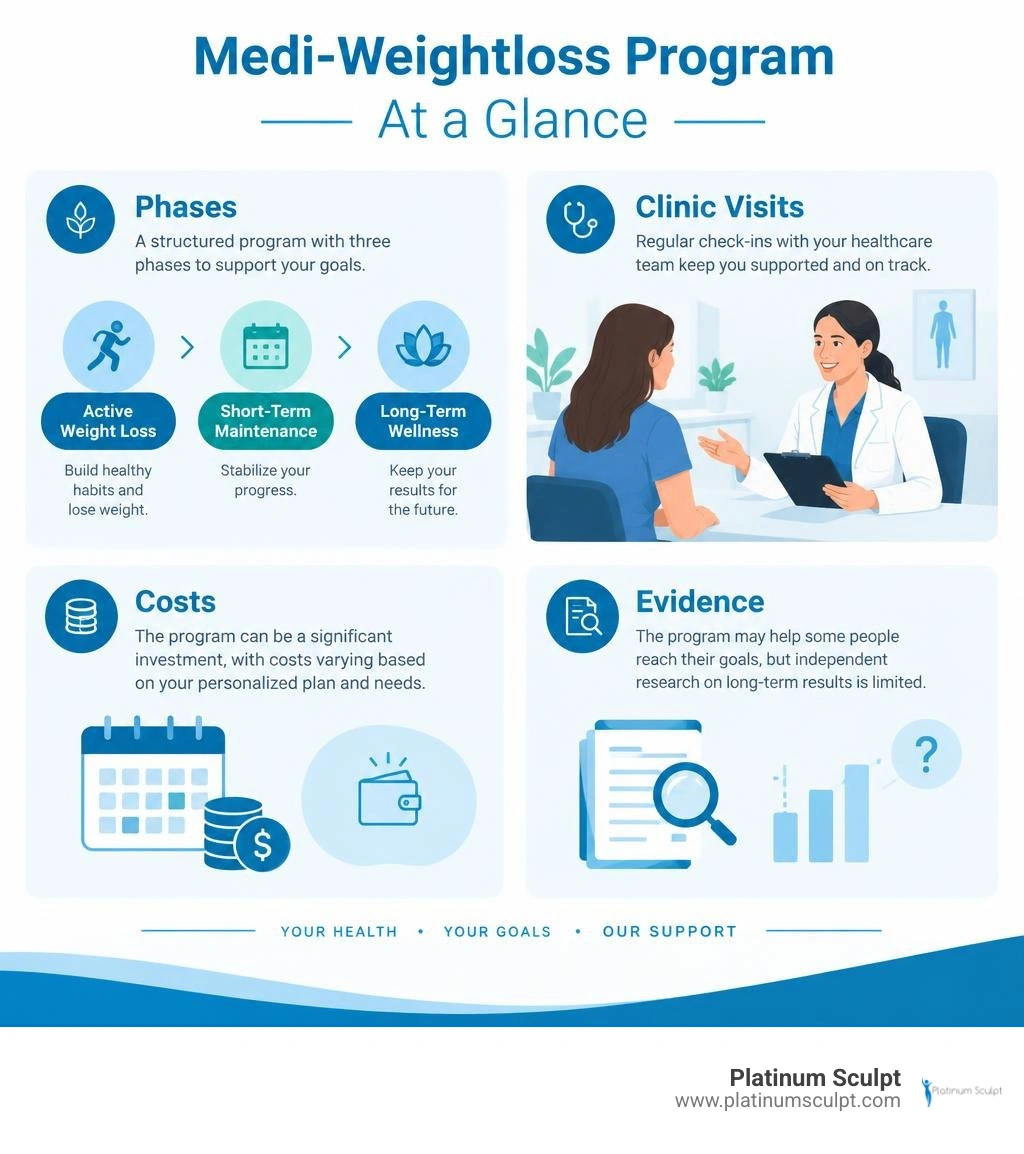
Simple medical weight loss program word guide:
When people look into clinical weight management, they often encounter structured systems that combine personalized nutritional guidance with physician oversight. A physician-supervised medical weight loss program represents a multi-phase clinical strategy designed to produce steady, noticeable reduction in body mass. Structured medical protocols provide clinical support and regular monitoring to help individuals work toward their health goals.
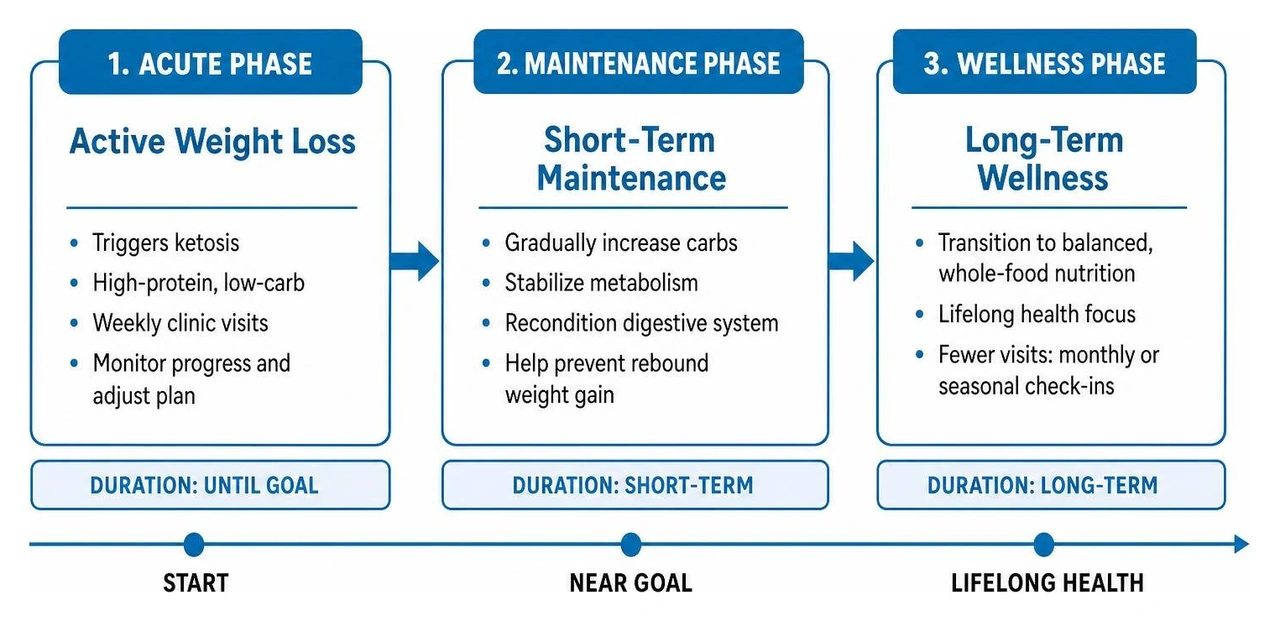
The core philosophy revolves around metabolic shifting. Rather than relying on simple calorie counting alone, the system utilizes a high-protein, low-carbohydrate nutrition structure. By significantly reducing daily carbohydrate intake while prioritizing lean proteins and specific micronutrients, the body shifts into a state of ketosis. In this state, stored body fat becomes the primary source of metabolic fuel rather than circulating glucose.
Starting the journey begins with an extensive clinical consultation. Medical staff review your medical history, perform blood panels, measure vital signs, and conduct body composition analyses to determine baseline muscle mass, fluid balance, and visceral fat percentages. Based on these diagnostics, medical professionals create an individualized plan. Weekly follow-ups allow providers to monitor metabolic parameters, adjust daily macronutrient targets, and offer specialized clinical accountability. For those wanting comprehensive options, evidence-based medical weight loss protocols give clients access to medical diagnostics alongside targeted lifestyle support.
The program divides the patient journey into three defined stages, transitioning from rapid initial fat burning to sustainable maintenance.
Adhering to the dietary guidelines requires careful meal planning, especially during the initial acute stage. The system places a heavy emphasis on tracking protein grams and healthy fat portions rather than general calories.
Allowed Foods:
Restricted Foods:
For general background on how balanced macronutrients support blood sugar and metabolic health, you can read more about low-carbohydrate nutrition and weight management.
Clinical results remain a primary consideration when evaluating any medically managed diet plan. Clinical protocols often claim participants can lose up to 20 pounds in their first month, primarily driven by the initial depletion of glycogen stores, reduced systemic water retention, and the calorie deficit induced during ketosis.
Longer-term research provides additional context. A 2020 clinical study evaluating structured medical weight loss protocols revealed that participants achieved an average reduction of 21% of their total body weight after 39 weeks of continuous participation. These outcomes suggest that combining clinical supervision with low-carbohydrate nutrition can produce meaningful changes in body composition and metabolic indicators like blood pressure and fasting blood glucose.
However, independent, peer-reviewed clinical studies on branded commercial programs remain limited. While low-carbohydrate and ketogenic protocols are recognized across medical literature for reducing appetite and accelerating initial fat burning, long-term success beyond the first year depends on sustained lifestyle habits. Many patients also explore complementary options like physician-supervised fat loss medicine to manage persistent cravings and maintain metabolic balance over extended periods.
| Program Phase | Primary Caloric & Macro Target | Clinical Milestone & Focus |
|---|---|---|
| Acute Phase | Very low carbohydrate, high lean protein, controlled fats | Rapid fat burning, induction of ketosis, up to 20 lbs lost in month one |
| Short-Term Maintenance | Gradual increase in complex carbohydrates and total calories | Metabolic stabilization, digestive adaptation, reintroduction of whole grains |
| Wellness Phase | Balanced whole-food nutrition, moderate carbohydrates | Long-term weight maintenance, active lifestyle integration, monthly support |
Before committing to any specialized medical regimen, evaluating the practical commitments, financial obligations, and daily dietary boundaries is essential.
The Advantages:
The Downsides and Practical Considerations:
For individuals seeking alternative strategies without strict meal replacement models, choosing a tailored weight management strategy can provide medical guidance aligned with personal lifestyle needs.
Navigating modern weight loss options often means deciding how much clinical structure and accountability fits your lifestyle. Some people rely on point-based tracking or habit-focused mobile apps, while others prefer the objective physiological management offered by a medically supervised program.
Medically supervised systems emphasize in-person diagnostics rather than self-reported tracking alone. Regular vital checks, body composition scanning, and clinical evaluations help providers adjust the plan as progress continues. The table below outlines general differences between these approaches:
| Feature / Metric | Physician-Supervised Clinical Programs | Self-Guided Tracking Methods |
|---|---|---|
| Medical Supervision | In-person medical providers and diagnostics | None; relies on personal tracking |
| Dietary Flexibility | Strict low-carb, high-protein protocol | Varies; often more flexible |
| Average Monthly Cost | $300 to $700+ (visits, labs, supplements) | $20 to $70 per month |
| Accountability Format | Weekly in-clinic physical appointments | Digital logging or personal journaling |
| Prescription Support | Available when clinically appropriate | Not offered |
Choosing the right fit comes down to personal needs. Individuals who thrive on clinical structure and objective physiological data often favor medical oversight, while those who want broader dietary flexibility may prefer structured wellness programs or lifestyle-focused coaching that still includes professional guidance.
Medical weight management provides clear benefits for many people, but it is not universally appropriate for every individual.
This clinical approach is well suited for individuals with a body mass index (BMI) classified within the overweight or obese ranges who have experienced repeated plateaus with standard dieting. It provides valuable structure for patients who benefit from close accountability, frequent in-person check-ins, and a clear, non-negotiable list of nutritional choices. Additionally, clients seeking structured preparation or guidance for long-term wellness goals can use this framework to reset daily routines and establish consistent eating habits.
Certain health profiles and personal histories make strict, ketogenic-style protocols unsuitable:
Consulting your primary care provider before starting any rigorous dietary intervention ensures that your medical history aligns safely with the program parameters.
Many participants lose up to 20 pounds during the first four weeks of a structured medical program. A significant portion of this early reduction comes from glycogen depletion and associated water release caused by low carbohydrate intake, combined with a sustained caloric deficit. Individual rates of fat loss vary according to starting body mass, metabolic health, age, and adherence.
Supplements and prescription appetite suppressants are frequently offered and encouraged, but they are not strictly mandatory for every individual. Medical providers evaluate health history, cardiovascular markers, and personal preferences before recommending specific vitamins, protein supplements, or prescription therapies. The primary foundation remains the dietary structure and clinical accountability.
Weekly visits typically include recording body weight and composition metrics, checking blood pressure and pulse, evaluating urine ketone levels, and reviewing dietary compliance. Clinicians use this time to answer questions, adjust macronutrient targets, discuss physical activity, and provide guidance to help patients overcome weight plateaus.
Finding a sustainable path to a healthier weight involves balancing medical safety, day-to-day feasibility, and individual lifestyle preferences. While structured clinical protocols can provide accountability and early progress through low-carbohydrate nutrition, lasting wellness requires developing habits you can comfortably maintain for years to come.
At Platinum Sculpt, we believe weight loss and aesthetic wellness should feel supportive, encouraging, and tailored to your individual health journey. As Kentucky and Tennessee's first specialized CoolSculpting provider, we combine advanced body contouring solutions with comprehensive medical wellness treatments to help you achieve your goals safely and effectively. Whether you want to explore targeted fat reduction, clinical weight support, or aesthetic rejuvenation, our experienced medical team is here to guide you every step of the way.
We invite you to experience our luxury patient care across our Kentucky clinics. To discuss your personal wellness goals and explore our treatment options, book a free consultation with our team today, or explore our personalized wellness and medical weight loss services online.


